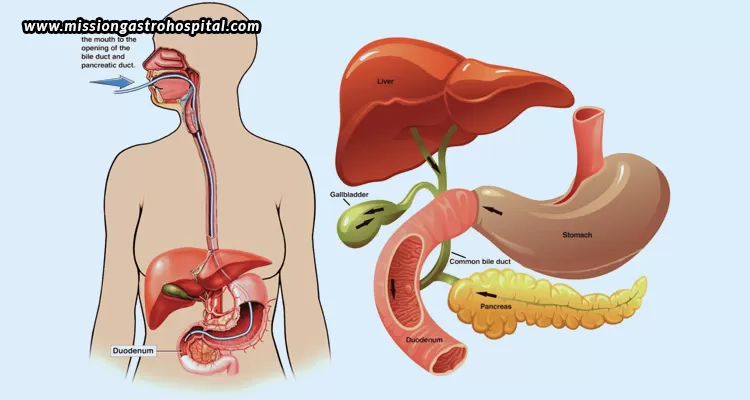
Your digestive system resembles a complex highway, where bile and pancreatic ducts act as vital pathways for essential fluids. When there is a blockage in traffic, your body emits warning signals such as pain or changes in digestion, indicating that something is amiss. The ERCP procedure is intended to both detect and resolve these “blockages” before they escalate into serious complications. Being aware of the signs that may necessitate ERCP empowers you to take charge of your health, seek prompt medical attention, and prevent the need for more invasive treatments.
Why understanding your symptoms is important
The human digestive system is intricate, and issues within the bile or pancreatic ducts can initially seem to go without being noticed. Postponing an evaluation may result in the exacerbation of symptoms or the requirement for more invasive interventions. ERCP is frequently advised when non-invasive tests indicate a blockage or dysfunction, but recognizing warning signs early can influence the decision even before imaging results are definitive. In essence, being aware of the symptoms that may indicate a potential issue is just as important as understanding the procedure itself.
Signs that suggest ERCP may be required
Instead of focusing solely on medical diagnoses, it is better to examine the physical symptoms and experiences that frequently precede a referral for ERCP.
- Persistent or severe upper abdominal pain
Pain located in the upper right or central abdomen, which may radiate to the back or shoulder, can suggest irritation of the bile duct or pancreas. Important patterns to observe include pain following fatty meals, pain that is accompanied by nausea or vomiting, and intermittent cramping or sharp sensations.
- Digestive changes
At times, the initial warning signs manifest as changes in digestion rather than clear pain. These changes may present as pale or clay-coloured stools, dark tea-coloured urine, or fatty and oily stools. Such alterations often signify disruptions in bile or pancreatic enzymes, which ERCP can help rectify.
- Fever and chills
When an obstruction results in an infection of the bile ducts (cholangitis), symptoms may include fever, chills, and discomfort in the upper abdomen. ERCP enables physicians to safely remove blockages and manage infections effectively.
- Noticeable yellowing of the skin or eyes
A yellowish hue to the skin or eyes serves as a significant indicator of bile flow obstruction. Although mild jaundice may be subtle, it often indicates the necessity for further assessment. ERCP can not only determine the underlying cause but also offer treatment to restore normal bile flow.
- Unexplained weight loss or fatigue
Gradual weight loss, decreased appetite, or ongoing fatigue can sometimes be associated with bile or pancreatic problems. Although these symptoms are less specific, when combined with other warning signs, they may suggest the need for evaluation via ERCP.
Why some symptoms often go unnoticed
Digestive problems can initially be quite subtle, and seem to be a basic common issue. Many individuals tend to dismiss mild discomfort in the upper abdomen, occasional bloating, or transient nausea as normal digestive disturbances, stress, or dietary habits. Likewise, alterations in stool colour or feelings of fatigue may appear insignificant or be credited to lifestyle choices, rather than considering it to be a possible medical issue. This penchant to ignore symptoms can postpone diagnosis, allowing conditions like bile duct stones, strictures, or early pancreatitis to worsen over time. Since these early warning signs are not always severe or painful, patients might not look for prompt medical attention. It is essential to be vigilant about even such subtle, but persistent and unusual changes in digestion or overall health. Early recognition of these signs can lead to evaluations through procedures like ERCP, which can identify and resolve issues early on, before they worsen to become something serious.
How symptoms progress over time
If you ignore the initial subtle signs, your symptoms may progress and worsen over time.
- Upper abdominal pain often begins as occasional or mild discomfort, which can gradually become more frequent and intense, worsening to affect the back or shoulder, especially after fatty meals.
- Digestive changes, such as slightly pale stools or intermittent dark urine, can worsen over time, eventually affecting nutrient absorption and causing fatty or oily stools.
- Fever and chills may begin like low-grade temperature or mild malaise, but can progress to higher fevers and systemic infection if bile duct obstruction leads to cholangitis.
- Yellowing of the skin or eyes may start subtly with mild discolouration, itchy skin, or darker urine before becoming more pronounced.
- Unexplained fatigue, loss of appetite, or gradual weight loss can begin subtly, but intensify as malabsorption or chronic inflammation continues.
It is thus wise to pay attention to these symptoms early on and seek timely evaluation to detect and treat underlying issues before serious complications develop.
Symptoms may vary between individuals
Not all patients experience symptoms in the same way. Pain severity can range from mild discomfort to intense pain, depending on factors like age and overall health. Digestive changes may appear as bloating for some, and pale stools or dark urine for others; the reasons being diet and gut health. Fatigue or unexplained weight loss can also differ, with some patients noticing only slight tiredness, while others experiencing significant energy depletion. Because symptoms can vary widely, mild or atypical signs should never be ignored. Early recognition and consultation with a gastroenterologist is essential. Prompt evaluation allows diagnosis, and treatment of the underlying problem before it progresses, reducing the risk of serious complications and improving overall outcomes.
How ERCP helps patients
Many believe that ERCP is only for diagnosing a medical issue; however, it actually fulfils multiple significant roles. ERCP can offer therapeutic solutions by extracting stones, alleviating strictures, or inserting stents. It can also help prevent the need for surgery, as numerous conditions can be addressed endoscopically, thereby minimizing the need for open surgical interventions. Moreover, ERCP is instrumental in tracking the progress of patients suffering from complications or issues with the pancreas and bile duct. This enables physicians to monitor and manage persistent problems effectively. These advantages not only makes the procedure less daunting, but also emphasizes the practical reasons for pursuing it when symptoms arise.
Mission Gastro Hospital: Advanced ERCP care in Ahmedabad
Mission Gastro Hospital, located in the heart of Ahmedabad’s Satellite area, is a leading centre for gastrointestinal and liver care. Under the guidance of experienced gastroenterologists, the hospital offers comprehensive services, including diagnostic and therapeutic procedures like ERCP. The state-of-the-art facilities here are equipped with advanced endoscopic technology, ensuring accurate diagnosis and effective treatment of conditions like bile duct stones, strictures, and pancreatitis. Patient comfort and safety are predominant, and the team is committed to providing compassionate care, with a focus on clear communication and personalized treatment plans. With a reputation for excellence and a patient-centric approach, Mission Gastro Hospital stands out as a trusted choice for those seeking expert ERCP in Ahmedabad.
Understanding when ERCP may be necessary is often about observing changes in your body, understanding your symptoms, and acting accordingly. Pain, digestive changes, jaundice, and unexplained weight loss or fatigue are signals that shouldn’t be ignored. By paying attention to these signs and consulting a gastroenterologist early on, patients can benefit from the diagnostic and therapeutic advantages of ERCP, which can help prevent the need for invasive surgery; thus promoting faster recovery.