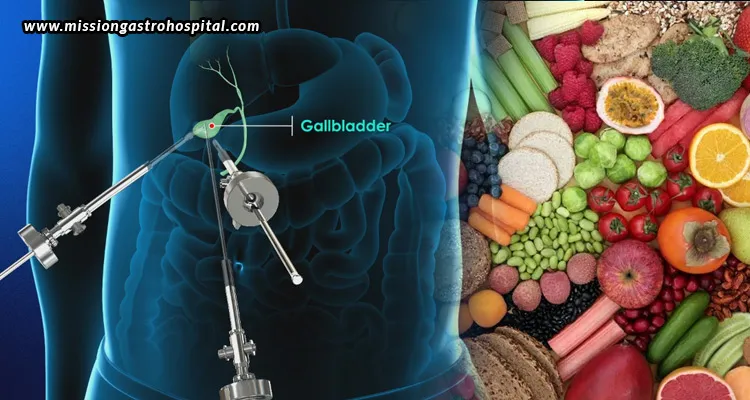
Gallbladder removal surgery, also known as cholecystectomy, is a common procedure performed to treat gallstones, gallbladder inflammation, or other gallbladder-related problems. If you have recently undergone gallbladder surgery—or are preparing for it—you may be wondering how your diet should change after the operation.
Although the gallbladder is a small organ, it plays an important role in digestion by storing bile, which helps break down fats. After gallbladder removal, bile flows directly from the liver into the intestine. Because of this change, your digestive system needs time to adjust, and following the right diet is essential for smooth recovery and long-term digestive comfort.
At Mission Gastro Hospital, Ahmedabad, expert gastroenterology care focuses on helping patients recover comfortably after gallbladder surgery with proper dietary guidance and medical support.
What Is Gallbladder Removal Surgery?
Gallbladder removal surgery involves surgically removing the gallbladder when it causes pain, infection, or digestive issues. The surgery is commonly recommended when gallstones block bile flow or cause repeated inflammation.
Most patients recover well after surgery, but dietary changes are important to avoid digestive discomfort such as bloating, diarrhea, or acidity.
Why Is Gallbladder Removal Necessary?
Gallbladder problems can lead to:
- Severe abdominal pain
- Nausea and vomiting
- Indigestion and bloating
- Infection or inflammation
When medications or lifestyle changes do not help, surgery becomes the safest and most effective treatment option.
Diet in the First 24 Hours After Surgery
What to Eat
During the first 24 hours, your body is in recovery mode. It is best to stick to:
- Water
- Clear soups or broth
- Coconut water
- Herbal or light tea
Avoid solid foods during this time to allow your digestive system to rest.
Importance of Hydration
Drinking enough fluids helps flush out anesthesia, prevents constipation, and supports healing. Sip water slowly throughout the day rather than drinking large amounts at once.
Diet During the First Week After Gallbladder Removal
Soft and Easy-to-Digest Foods
As your body begins to heal, you can slowly introduce soft foods such as:
- Oatmeal
- Rice porridge
- Applesauce
- Boiled vegetables
- Mashed potatoes
Avoid spicy, oily, or heavy foods during this phase.
Gradual Introduction of Solid Foods
Introduce solid foods in small portions and observe how your body reacts. If a food causes discomfort, avoid it and try again after a few days.
Long-Term Diet After Gallbladder Removal
Why a Low-Fat Diet Is Important
Without a gallbladder, your body finds it harder to digest large amounts of fat at once. Eating fatty foods can cause loose stools, bloating, or stomach pain.
Low-Fat Foods to Include
- Lean proteins like chicken, fish, and turkey
- Fruits and vegetables
- Whole grains
- Small amounts of healthy fats like olive oil
Importance of Fiber in Your Diet
Fiber supports digestion and helps prevent constipation.
High-Fiber Foods
- Whole wheat bread
- Brown rice
- Fruits like bananas and apples
- Vegetables like carrots and spinach
Balance Is Key
Too much fiber too quickly can cause gas and bloating. Increase fiber gradually and drink plenty of water.
Foods to Avoid After Gallbladder Removal
To prevent digestive issues, avoid:
- Fried and greasy foods
- Full-fat dairy products
- Fatty meats
- Spicy foods
- Caffeinated drinks
- Carbonated beverages
These foods can irritate the digestive system, especially during early recovery.
Managing Digestive Issues After Surgery
Common Problems
- Bloating
- Gas
- Diarrhea
- Indigestion
These symptoms are usually temporary and improve with proper diet.
How to Reduce Bloating and Gas
- Eat smaller meals more frequently
- Avoid gas-forming foods like cabbage and beans
- Eat slowly and chew food properly
Managing Diarrhea
If you experience loose stools, include:
- Bananas
- Rice
- Applesauce
- Toast
Avoid dairy and oily foods until symptoms improve.
Importance of Staying Hydrated
Aim for at least 8 glasses of water per day, depending on your body’s needs. Sip water regularly rather than drinking large amounts at once.
Good hydration supports digestion and prevents constipation.
Supplements That May Help
Probiotics
Probiotics help balance gut bacteria and improve digestion. They may be taken as supplements or through foods like curd.
Digestive Enzymes
Digestive enzymes can help break down fats and reduce digestive discomfort after gallbladder removal.
Vitamins
Some patients may need vitamin supplements depending on dietary intake. Always consult your doctor before starting supplements.
Warning Signs to Watch For
Contact a gastroenterologist if you experience:
- Persistent abdominal pain
- Fever
- Yellowing of skin or eyes (jaundice)
- Severe diarrhea
- Vomiting
These may indicate complications that need medical attention.
Expert Care at Mission Gastro Hospital, Ahmedabad
Mission Gastro Hospital, established in 2019 in Satellite, Ahmedabad, is an advanced gastroenterology centre led by Dr. Chirag N Shah, a highly experienced consultant gastroenterologist.
The hospital provides transparent, world-class care for digestive and liver conditions. With advanced technology and patient-focused treatment, Mission Gastro Hospital supports safe recovery after gallbladder surgery and other gastrointestinal procedures.
Patients from across Ahmedabad, Gujarat, Rajasthan, Madhya Pradesh, and even international locations trust the hospital for expert gastroenterology care.
Conclusion
Recovering from gallbladder removal surgery requires patience and the right dietary approach. By following a low-fat, balanced diet, staying hydrated, and listening to your body, you can return to normal digestion and daily activities smoothly.
If you experience ongoing digestive issues or need personalised dietary advice after surgery, consulting an experienced gastroenterologist can make a big difference. At Mission Gastro Hospital, expert guidance ensures a safe recovery and long-term digestive health.