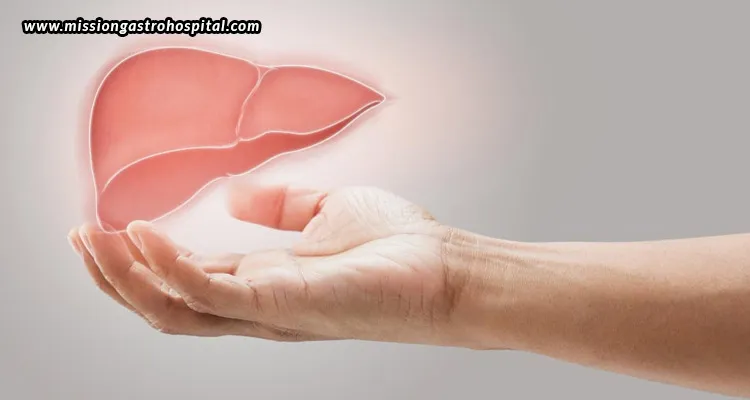
The liver serves as the body’s quiet powerhouse, executing more than 500 essential functions such as detoxification, metabolism, blood sugar control, protein production, and bile synthesis. Despite its critical role, it frequently remains overlooked until damage manifests. Currently, many liver disorders arise not from infections, but from daily habits like unhealthy diets, lack of exercise, alcohol consumption, and irregular sleep patterns. Over time, these behaviours can lead to issues like non-alcoholic fatty liver disease, alcohol-induced liver disease, and cirrhosis. Gaining insight into how lifestyle choices impact liver health, and being aware of early warning signs, can help prevent long-term harm and facilitate prompt intervention and recovery.
Understanding the liver’s vulnerability
The liver possesses an extraordinary ability to regenerate, enabling it to heal from minor injuries and even partial surgical excisions. Nevertheless, this capacity for recovery is not infinite. Continuous exposure to unhealthy habits like poor dietary choices, excessive drinking, lack of physical activity, and chronic stress can incite lasting inflammation. Over time, this persistent inflammatory reaction encourages fat buildup within liver cells, leading to fibrosis, or the formation of scar tissue. If not addressed, fibrosis can evolve into permanent and irreversible damage. Unlike many other chronic illnesses, liver disease often progresses quietly, with few or no symptoms during its initial stages. Therefore, understanding the risk factors associated with lifestyle is crucial for prevention and timely intervention.
Everyday habits that silently damage your liver
Small, repetitive daily habits may appear innocuous, but over time, they can put a strain on the liver, leading to inflammation, fat accumulation, and a gradual decline in function.
- Sedentary lifestyle and fat storage
Lack of physical activity encourages weight gain, insulin resistance, and the buildup of visceral fat, all of which place burden on the liver. Unused calories turn into fat in the liver cells, resulting in non-alcoholic fatty liver disease. Engaging in regular moderate exercise enhances insulin sensitivity, and reduces liver fat and inflammation, thereby protecting liver health in the long run.
- Processed foods and concealed sugars
Diets rich in refined carbohydrates, trans fats, and sugars high in fructose put pressure on liver metabolism. Fructose is mainly processed in the liver, and excessive consumption leads to fat production and inflammation. Frequent intake of sugary drinks, processed snacks, and refined foods exacerbates fatty infiltration, while a balanced diet of whole foods aids in liver recovery.
- Inadequate sleep and disruption of circadian rhythms
The liver functions according to circadian rhythms that manage glucose and lipid metabolism. Ongoing sleep deprivation disrupts these rhythms, resulting in increased insulin resistance and fat accumulation. Shift work and irregular sleep patterns amplify metabolic stress. Adhering to consistent sleep cycles of 7-8 hours promotes hormonal balance and metabolic stability, indirectly protecting liver function.
- Persistent stress and hormonal disruption
Chronic stress raises cortisol levels, leading to central obesity, insulin resistance, and metabolic syndrome. Although stress does not directly harm liver cells, its metabolic effects encourage the development of fatty liver. Implementing stress management techniques like regular exercise, mindfulness practices, and organized daily routines helps maintain metabolic balance and supports overall liver health.
- Excessive consumption of alcohol
Alcohol is processed in the liver, leading to the production of harmful byproducts that can damage liver cells. Continuous exposure, even at moderate levels, can lead to alcohol-related liver disease, which can progress from fatty changes to hepatitis and ultimately Cirrhosis. The level of individual risk varies depending on genetic factors, metabolic health, and the frequency of alcohol consumption.
- Uncontrolled diabetes and insulin resistance
Type 2 diabetes and liver disease are closely linked. Insulin resistance promotes fat accumulation in liver cells, while fatty liver exacerbates glucose regulation issues. Ongoing high blood sugar levels can intensify inflammation and fibrosis, heightening the risk of complications. Proper blood sugar monitoring, adherence to medication, and effective weight management are crucial for protecting the liver.
- Overuse of medications and supplements
The liver is responsible for metabolizing most medications and supplements, which makes it susceptible to misuse. Overdosing, unsupervised use of painkillers, and unregulated herbal or bodybuilding supplements can lead to drug-induced liver injury. Although such injuries are preventable, they can be quite severe. It is vital to seek professional medical advice before starting any new medications or supplements.
Recognizing early signs of liver stress
Liver disease frequently develops without noticeable symptoms, leading to early signs being overlooked or misinterpreted. Ongoing fatigue, vague abdominal pain, unexplained weight changes, or slightly elevated liver enzyme levels may be initial signs of liver stress. As the damage progresses, more serious symptoms such as jaundice, abdominal swelling, easy bruising, or confusion may emerge. Early detection greatly enhances treatment outcomes. While severe damage like Cirrhosis is typically irreversible, early-stage fatty liver disease can often be managed, and even reversed, with prompt lifestyle changes and medical oversight.
The increasing challenge of liver disease
Liver disease is progressively impacting younger adults, especially those in their 20s and 30s. Urban lifestyles characterized by calorie-rich diets, inactive habits, chronic stress, and inconsistent sleep patterns are major contributors to this issue. Metabolic liver disease is now becoming a significant public health challenge, surpassing many conventional causes. Without timely lifestyle modifications, simple fatty liver can advance to steatohepatitis, fibrosis, and eventually cirrhosis, underscoring the critical need for preventive awareness and early screening initiatives.
Can lifestyle damage be reversed?
Fortunately, early liver damage is frequently reversible with consistent intervention. Clinical research indicates that a weight reduction of 5–10% can substantially lower liver fat accumulation. Engaging in regular physical activity enhances insulin sensitivity and liver enzyme levels, while stable blood sugar management helps slow disease progression. Abstaining from alcohol further alleviates inflammation in liver tissue. However, once advanced fibrosis or cirrhosis occurs, complete reversal is unlikely, emphasizing the necessity for early preventive measures and organized medical follow-up.
When to seek medical evaluation?
It is advisable for individuals with obesity, diabetes, high cholesterol, regular alcohol consumption, a family history of liver disease, or consistently abnormal liver function tests to seek medical evaluation. Unexplained fatigue and digestive issues also require assessment. A thorough evaluation may involve liver enzyme testing, ultrasound imaging, metabolic screening, and non-invasive fibrosis assessment. Early diagnosis allows for timely intervention before irreversible damage takes place. For specialized care, consider consulting Mission Gastro, a reputed liver specialist in Ahmedabad that provides advanced diagnostics and tailored treatment plans.
Practical approaches for long-term liver health
Protecting the liver does not necessitate extreme dietary limitations or commercial detox programs. Rather, it relies on sustainable lifestyle choices that are consistently practiced over time. A well-rounded diet abundant in whole foods, regular exercise, moderation or abstinence from alcohol, sufficient sleep, effective stress management, and routine health examinations collectively alleviate metabolic strain. Notably, the liver naturally detoxifies the body efficiently when bolstered by healthy habits, making discipline and consistency more beneficial than short-term, intensive measures.
Your liver operates diligently, filtering toxins, managing metabolism, and supporting essential biological functions. It seldom indicates distress until damage becomes substantial. This is why being aware of one’s lifestyle is crucial. The issue is not whether an occasional treat harms the liver. The true concern lies in the cumulative exposure to metabolic stressors over time. By understanding how daily habits affect liver health, individuals can make informed choices that help prevent disease progression. Early detection, responsible lifestyle management, and seeking medical advice, when necessary, can protect liver function for many years. Ultimately, protecting the liver is not about achieving perfection; it is about maintaining consistency, balance, and proactive care.