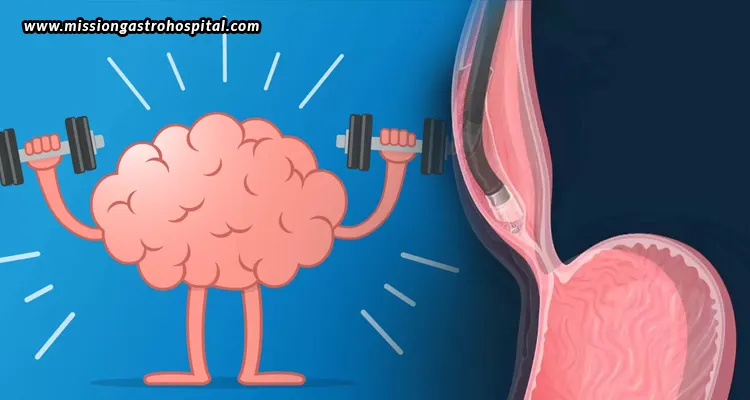
When it comes to medical procedures, discussions typically centre around physical symptoms, diagnostic evaluations, and treatment results. Nevertheless, healthcare encompasses more than just the physical body. Certain ailments can greatly impact a patient’s emotional health, such as POEM. This highlights the significance of mental health in the treatment process for those undergoing the POEM procedure. Chronic issues like difficulty swallowing, chest pain, food regurgitation, and uncertainty regarding treatment can lead to ongoing stress and anxiety for the patient. Moreover, the anticipation of a medical procedure, even one as minimally invasive as POEM, can cause emotional distress for many individuals. Recognizing the psychological aspects of treatment can help patients feel more prepared, alleviate anxiety, and ultimately lead to a smoother recovery and improved overall results.
Why physical disorders can affect mental health
The connection between the digestive system and the brain is well-established, often referred to by scientists as the gut-brain axis. This communication pathway enables emotional states to affect digestive processes and vice versa. For patients suffering from oesophageal disorders like achalasia, daily life may include:
- Difficulty swallowing food or liquids
- Fear of choking while eating
- Pain or pressure in the chest
- Unexpected regurgitation
- Changes in appetite or nutrition
Over time, these symptoms can lead to feelings of frustration, social isolation, or anxiety regarding meals and public settings. Eating, which is typically an enjoyable social experience, can turn into a source of concern.
When a procedure such as POEM is suggested, the emotional strain may increase. Patients frequently start to wonder about the future—whether the procedure will be effective, what complications could arise, how painful the recovery might be, and if eating will ever return to normal. Such uncertainties can understandably lead to anxiety and reluctance. It is entirely normal to have these concerns, and many people undergoing medical treatment experience them as well.
Understanding anxiety before the POEM procedure
Pre-procedure anxiety is very common among patients who are scheduled for POEM. Despite the fact that the procedure is minimally invasive and boasts a high success rate, the thought of undergoing an endoscopic surgery can still induce worry.
Common sources of anxiety
- Fear of the unknown: Many patients have not experienced an advanced endoscopic procedure before. The uncertainty regarding what will occur during the procedure can lead to considerable stress.
- Concerns about safety: While POEM is generally considered safe, patients may still have concerns about possible risks such as bleeding, infection, or other complications.
- Dietary changes and lifestyle adjustments: Patients are typically instructed to adhere to specific dietary guidelines before and after the procedure. Modifying eating habits can add to their stress levels.
- Hospital environment: Hospitals and medical facilities can seem daunting, particularly for those who have little experience with surgery or medical interventions.
Psychological effects of long-term oesophageal disorders
For many individuals, the path to POEM treatment often starts after enduring months or even years of difficulties with swallowing. These ongoing symptoms can gradually impact emotional health in various ways. Dining can turn into a source of stress, leading patients to shy away from restaurants, family gatherings, or social occasions due to the anxiety of choking or feeling discomfort while eating. As time passes, persistent digestive issues can also erode confidence, causing individuals to feel physically frail or limited in their everyday activities. Nutritional issues may also emerge, as unintentional weight loss or a diminished appetite can lead to fatigue and emotional turmoil. Furthermore, regurgitation or chest pain during the night can disrupt sleep patterns, adding to stress and anxiety. Acknowledging these emotional hurdles is crucial, as it allows healthcare providers to offer more comprehensive care that considers both the physical ailments and the psychological health of the patient.
Strategies to manage anxiety before POEM
Mentally preparing for the POEM procedure can enhance a patient’s treatment experience. By understanding the process, managing stress, and establishing a support network, individuals can alleviate anxiety and foster a more confident mindset.
- Educating yourself about the procedure
Gaining knowledge about how the POEM procedure functions can greatly diminish fear and uncertainty prior to treatment. Patients who familiarize themselves with the procedure’s steps, anticipated recovery timeline, and possible benefits often feel more assured and at ease. Engaging in open dialogue with healthcare providers enables individuals to pose questions, clarify uncertainties, and achieve a better understanding of what lies ahead.
- Practicing relaxation techniques
Implementing stress-reduction techniques can help soothe the mind before a medical procedure. Approaches such as deep breathing exercises, guided meditation, gentle yoga, or listening to soothing music can facilitate relaxation and emotional stability. Even spending a few minutes daily on these practices may assist in lowering anxiety levels and enhancing overall mental preparedness.
- Talking to healthcare specialists
Addressing concerns with healthcare specialists can empower patients to feel more equipped and supported. By openly discussing fears and inquiries, patients can receive reassurance and bolster their confidence regarding the treatment. At Mission Gastro Hospital, a trusted centre for POEM treatment in Ahmedabad, skilled gastroenterologists and dedicated care teams guide patients throughout the procedure journey with both medical expertise and compassionate support.
- Seeking support from family and friends
A robust support network can significantly impact the experience of medical treatment. Family and friends can join patients during appointments, help with care after procedures, and offer emotional support. Feeling supported and understood can greatly alleviate stress and empower patients to face the procedure with increased confidence.
Emotional experiences immediately after the procedure
The emotional journey continues even after the procedure is finished. The initial recovery phase can evoke a blend of relief, exhaustion, and cautious hope. Many patients experience a sense of hope mixed with slight anxiety as they anticipate improvements in their symptoms. During this period, it is crucial to practice patience, as the body needs time to heal and adapt. Some individuals may temporarily experience:
- Anxiety about resuming eating
- Uncertainty regarding their recovery progress
- Worries about the possibility of symptoms returning
These emotions are typical and generally lessen as patients slowly become more comfortable with eating and resuming daily activities.
Coping with anxiety during recovery
Recovery following POEM typically entails a gradual reintroduction to normal eating patterns alongside regular follow-up visits. During this time, it is crucial to prioritize emotional well-being as much as physical recovery. Patients are generally encouraged to start with a liquid diet, gradually advancing to soft foods before resuming regular meals. Adhering to these dietary recommendations can minimize complications and enhance patients’ confidence in their recovery journey. As the healing process unfolds, many individuals may begin to observe minor improvements, such as easier swallowing or less chest discomfort. Acknowledging and celebrating these positive developments can foster motivation and optimism. Concurrently, it is vital for patients to maintain open lines of communication with their healthcare providers. Should any unusual symptoms or emotional issues arise, reaching out to the medical team promptly can provide early guidance and reassurance, preventing minor concerns from escalating into larger problems.
While POEM is fundamentally a physical intervention aimed at alleviating oesophageal motility disorders, the emotional aspects surrounding the procedure should not be neglected. By recognizing the link between mental health and physical conditions, patients can approach the POEM process with enhanced awareness and confidence. Education, relaxation strategies, supportive relationships, and transparent communication with healthcare professionals are all essential in managing anxiety. Ultimately, addressing both physical recovery and emotional strength enables patients to experience a smoother healing process, improved quality of life, and renewed confidence in daily activities such as eating, socializing, and enjoying life without fear or discomfort.