Diagnose Symptoms
- Stomach pain
- Diarrhea
- Unusual weight loss
- Bloody stool
- Ulcers and more
Endoscopy test is a non-invasive procedure in which your gastrology doctor will use an endoscope to examine your digestive system. The endoscope is a flexible tube with a camera at its end which sends picture on the TV monitor on which the doctor is inspecting your digestive tract.
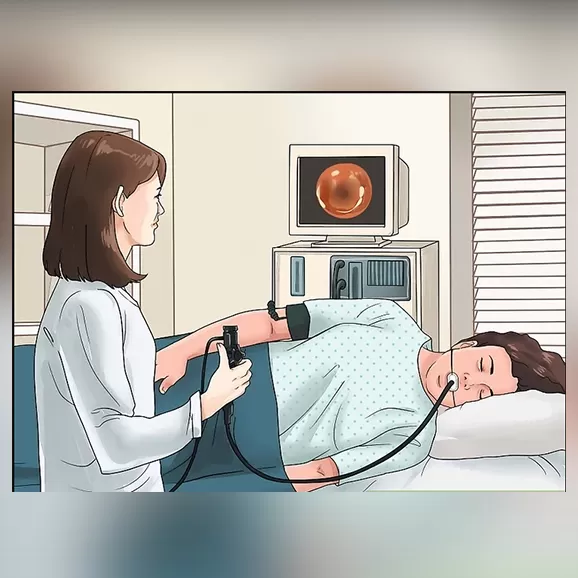
Endoscopy Procedure in Gastroenterology
Endoscopy test can be conducted to collect tissue samples or diagnose symptoms such as:
- Stomach pain
- Diarrhea
- Unusual weight loss
- Bloody stool
- Ulcers and more.
In a regular Esophagogastroduoendoscopy also known as Upper Endoscopy, the endoscope is inserted into your mouth through which it moves into the esophagus. It is used to get a clear view of esophagus along with stomach and small intestine. Fasting at least 8 hours before the process or as instructed by your gastroenterologist is mandatory for the procedure.
In cases of pediatric endoscopy, anesthesia might also be given so that the internal organs in children are accidentally not injured due to discomfort movements or if the procedure is too complex.
Before you undertake the endoscopy procedure, your doctor will explain all the steps and precautions along with possible after effects of the procedure to you. Sometimes, you will also be prescribed antibiotics to eliminate any risk of infection after the procedure. The procedure usually takes 1-2 hours.
Types of Endoscopy Test
Advanced Endoscopy Procedures
Advances in the field have given rise to techniques such as ERCP in which X-ray is combined with endoscopy for bile and pancreatic duct related problems. Capsule endoscopy is one of the most revolutionary endoscopy procedures where the entire traditional method is replaced by a pill sized camera. There is also Narrow band Imaging HD endoscopy that uses a specialized filter for contrast of the inner mucosal lining of GI tract. Endoscopic Ultrasound as the name suggests, combines ultrasound technique with endoscopy.
Endoscopy Specialist at MGH
Gastro Hospital is one of the very few GI specialist hospitals in Ahmedabad that offers state of the art facility for all of the above mentioned basic and advanced endoscopic procedures. Our founder, Dr. Chirag Shah, has extensively studied each of these techniques and performed more than 5000 endoscopy tests for gastroenterology patients. If you are experiencing gastrointestinal complaints, book an appointment with Dr. Shah for an accurate diagnosis of your condition.
FAQs
A standard upper GI endoscopy usually takes 15 to 30 minutes. The total hospital visit may be longer to allow for preparation and recovery after sedation.
Yes. Most patients are advised not to eat or drink for at least 6 to 8 hours before the procedure. Your doctor will provide detailed instructions based on your condition.
No. Most patients experience little or no pain because the throat is numbed and sedation is commonly used to keep you comfortable during the procedure.
You may need an endoscopy if you have persistent acidity, difficulty swallowing, stomach pain, vomiting, unexplained weight loss, or signs of gastrointestinal bleeding.
Yes. Endoscopy is usually a day-care procedure, and most patients can return home after a short observation period with a family member.
Endoscopy is considered a safe and minimally invasive procedure when performed by an experienced gastroenterologist using modern equipment.
Yes. Endoscopy helps diagnose stomach ulcers, inflammation, infections, bleeding, polyps, and early signs of digestive diseases.
Many patients receive mild sedation to make the procedure more comfortable. Your doctor will recommend the most suitable option.
Bring your previous medical reports, follow fasting instructions, and inform your doctor about any medications, allergies, or existing health conditions.
Mission Gastro Hospital offers advanced endoscopy services with experienced gastroenterology specialists, modern technology, and personalized patient care in Ahmedabad.