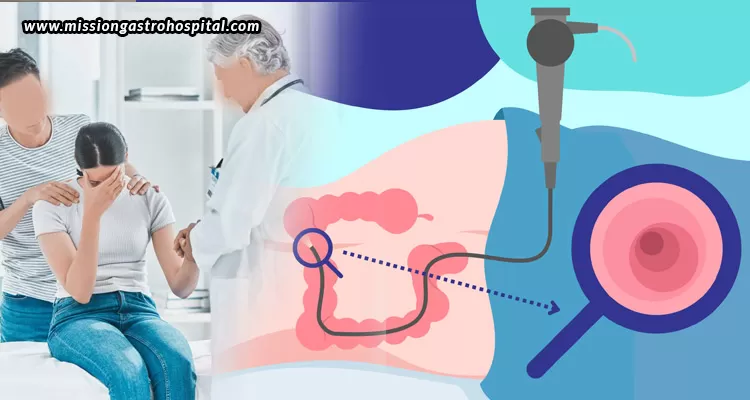
Experiencing anxiety about an upcoming colonoscopy is entirely normal. This procedure is frequently accompanied by myths, stigma, and personal apprehensions that can deter patients, even when strongly advised by their healthcare providers. Whether it’s worries about discomfort, feelings of embarrassment, or fears of potential complications, many individuals feel apprehensive. However, the reality is that colonoscopy is one of the most effective methods for early detection of colorectal issues, even before they escalate into serious conditions. You must thus fight off all your fears and discover ways to cope up with your anxiety, something that we’ll help you do with this blog post.
The anxiety surrounding the thought of pain and discomfort
A prevalent concern is whether a colonoscopy will be painful. Visuals of invasive instruments and unfamiliar medical environments often heighten this anxiety. But, the reality is that colonoscopies are conducted under sedation or anaesthesia, ensuring that you will not experience pain during the procedure. Most patients either drift off to sleep or remain in a deeply relaxed, drowsy state. Moreover, the insertion of the scope is performed by experienced gastroenterologists, who are trained to minimize discomfort. In fact, patients have frequently described their experience after the procedure as significantly easier than they had expected it to be.
How to overcome your fear:
- Inquire about sedation options: Understanding beforehand whether you will receive conscious or deep sedation can help you stay prepared.
- Discuss pain management with your doctor: Gastroenterologists regularly address such concerns and can clarify what to expect.
- Focus on the benefits: The brief moments of mild discomfort are overshadowed by years of reassurance regarding your colon health.
Embarrassment regarding the procedure
Numerous patients are reluctant to arrange a colonoscopy due to feelings of embarrassment about revealing such a private part of their body. Cultural stigmas surrounding discussions of bowel health further contribute to this reluctance. But understand that, for healthcare professionals, a colonoscopy is a standard clinical procedure – not something out of the ordinary or shameful. Doctors and nurses conduct these procedures on a daily basis and are entirely dedicated to your health.
How to overcome your fear:
- Remind yourself that it’s a medical issue, not a personal one: Gastroenterologists are highly skilled and focused on your well-being.
- Bring along a trusted friend or family member: Having someone with you before and after can help make the experience feel less intimidating.
- Consider the larger picture: The brief moment of embarrassment is worth safeguarding your long-term health.
Concerns regarding bowel preparation
The preparation process, which involves consuming a specific solution to cleanse the colon, is frequently feared more than the colonoscopy itself. Patients often worry about feelings of nausea, bloating, and the hassle of frequent bathroom visits. Well, although the preparation is not the most enjoyable aspect, improvements in cleansing solutions have significantly enhanced the experience. Some of the newer preparations require less liquid and can be divided into two doses, which helps minimize discomfort.
How to overcome your fear:
- Implement dietary changes in advance: Consuming lighter, low-fibre meals for 2-3 days prior to the preparation day can facilitate a smoother cleansing process.
- Cool the solution: Chilling the liquid or combining it with clear juices can enhance its flavour.
- Utilize straws and flavoured clear liquids: Sipping through a straw or alternating between sips of clear broth or sports drinks can help lessen feelings of nausea.
- Prepare in advance: Remain at home, have reading materials or entertainment available, and ensure your bathroom is stocked with necessary supplies.
Anxiety about sedation
Some individuals feel anxious about sedation or fear they might not awaken after the procedure. Others are concerned about losing control. But, it is important to understand that the sedation drugs used during colonoscopy are short-acting and safe. You will be continuously monitored by anaesthesiologists or qualified nurses. And, waking up is generally a smooth experience – you may feel drowsy for a while, but not uncomfortable. Millions of colonoscopies are conducted annually around the globe with very low risks associated with sedation.
How to overcome your fear:
- Inquire about the sedatives: Familiarizing yourself with the dosages and duration of the medications can enhance your confidence.
- Bring a support person: Having someone accompany you after the procedure ensures safety and provides emotional reassurance.
- Focus on recovery experiences: Numerous patients report that they don’t even recall the procedure and are astonished at how brief it felt.
Fear of complications
Patients frequently express concerns about potential risks, such as bleeding, perforation, or adverse reactions to sedation. But, complications are exceedingly rare. Medical research indicates that serious complications occur in fewer than 1 in 1,000 procedures. The dangers of undiagnosed colorectal cancer or polyps far outweigh the risks associated with the procedure. Moreover, colonoscopies are conducted in controlled settings with immediate access to care should anything unusual occur.
How to overcome your fear:
- Inquire about your risk profile: Your physician can clarify how your age, medical history, and medications affect safety.
- Select an experienced provider: The expertise of the gastroenterologist significantly impacts both comfort and safety. For instance, choosing the best colonoscopy doctors in Ahmedabad at Mission Gastro Hospital ensures skilled care, advanced technology, and a supportive environment that eases anxiety and enhances overall outcomes.
- Emphasize prevention: The procedure is not only diagnostic; it is also therapeutic. Polyps that have the potential to become cancerous can be removed immediately.
Worry about the results
Another apprehension that patients seldom express is the “what if” scenario – the anxiety of uncovering something serious, like polyps or cancer. However, the reality is that most colonoscopies reveal minor issues or no abnormalities whatsoever, as the procedure is known for identifying problems before they become serious. And, even if polyps are detected, they are frequently removed right away to prevent them from becoming cancerous. And, in the worst-case scenario, when a serious condition is identified, early detection is life-saving – providing more treatment options and improved outcomes.
How to overcome your fear:
- Reframe the outcome: Discovering a polyp isn’t negative news; it’s a proactive approach to healthcare.
- Educate yourself: Understand how prevalent polyps are, particularly after the age of 50, and how easily they can be managed.
- Trust the process: Early detection via colonoscopy has been proven to decrease colorectal cancer mortality by as much as 60%.
Fear of the unknown
At the core of many fears surrounding colonoscopy lies the fear of the unknown – what will occur, how it will feel, and what findings may arise.
How to overcome your fear:
- Educate yourself: Consult trustworthy sources, inquire with your doctor, and familiarize yourself with the process step-by-step.
- Visit the facility beforehand: Getting to know the clinic or hospital can help alleviate anxiety.
- Visualize success: Picture the relief and health advantages you will experience afterward.
Feeling anxious, embarrassed, or fearful before a colonoscopy is completely normal, but it’s crucial to recognize that these fears are often more significant in our minds than in reality. Hence, instead of perceiving colonoscopy as something to dread, it is beneficial to regard it as an act of self-care and empowerment. It allows you to take charge of your health, avert future issues, and provides peace of mind. Colonoscopy is a safe, routine, and highly effective method for detecting and preventing colorectal problems. With adequate preparation, knowledge, and courage, you can transform your fear into confidence and emerge from your colonoscopy with the most valuable gift of all – better health!