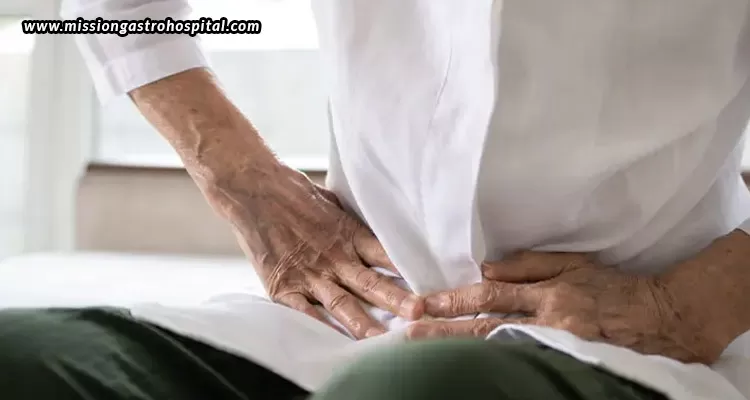
We have discussed in our blogs earlier how common gastrointestinal disorders in children affect their health, highlighting how their developing digestive systems require exceptional care and attention. However, digestive complications don’t end there; rather, they evolve with age. As we grow older, our digestive tract undergoes natural physiological and functional changes that influence how the food is processed. Seniros are more susceptible to a variety of GI issues, from mild discomfort like bloating and constipation, to more serious conditions like GERD and ulcers. Understanding these age-related issues and recognizing early warning signs is essential to preserve long-term digestive and overall health.
How aging affects digestion
As we age, the digestive system functions less efficiently compared to how it did when we were younger. Several physiological changes contribute to this gradual decline. The stomach and pancreas produce fewer digestive enzymes and acids, making it difficult to break down certain foods, fats, and proteins. The slower intestinal motility also causes the food to move at a lower pace through the digestive tract, which can result in constipation or a sense of feeling full even after a small meal. The gut microbiome also alters the balance of beneficial bacteria, leading to symptoms like bloating, weakened immunity, and mood fluctuations. Finally, the oesophageal and anal sphincters also weaken, which can result in acid reflux or incontinence. If all of this want enough, the high number of medications people take with age proves to be another factor that interferes with normal digestion processes, adding to the gastrointestinal discomforts, leading to chronic conditions that may require professional medical attention.
Constipation
Constipation is one of the most common issues senior citizens are seen to be complaining about. This issue is characterized by infrequent bowel movements, hard dry stools, and straining during bowel movements. The main reasons for this could be slower bowel motility, dehydration, reduced physical activity, or certain medications. No matter what the reason, persistent constipation should never be ignored, as if left untreated, it may lead to complications like haemorrhoids, anal fissures, or faecal impaction.
How the condition can be managed
- You must increase your intake of fruits, vegetables, and whole grains.
- You must drink enough water throughout the day.
- Your must engage in gentle activities, may it be as simple as walking.
- You must check with a medical practitioner if any of your medications are contributing to constipation.
Faecal incontinence
Another very common condition seen in senior citizens is faecal incontinence, where they experience complete or partial loss of bowel control. This results in involuntary leakage of stool, urgency to pass stool with inability to control it, leakage of excessive gas, and skin irritation around the anus. The main reasons for this condition include the weakening of the anal sphincter muscles, nerve damage, or chronic constipation or diarrhoea that strains the rectum and muscles.
How the condition can be managed
- You will be given bowel training programs.
- You will be suggested pelvic floor therapy and muscle-strengthening exercises.
- You may be given medications to regular stool consistency.
- Surgical intervention may be necessary in severe cases.
Irritable Bowel Syndrome
IBS is a condition where individuals may experience bloating, gas, abdominal pain, cramping, and alternating constipation and diarrhoea. This condition can be brought on by stress, dietary changes, or certain medications.
How the condition can be managed
- You must ensure regular meals and adequate sleep.
- You must stick to a low-FODMAP diet to identify and reduce trigger foods.
- You must maintain consistent fluid intake to prevent dehydration.
- You may add probiotics to your diet to support a balance gut microbiome.
- You must engage in yoga, meditation, or other easy mindfulness activities.
Gastroesophageal Reflux Disease
GERD is another common issue faced by senior citizens, in which they may experience a burning sensation in their chest or throat, a sour taste or regurgitation of food, difficulty in swallowing, chronic cough, or even hoarseness of voice. This happens due to the weakening of the lower oesophageal sphincter and delayed gastric emptying. In some cases, the symptoms may also mimic cardiac pain. If left untreated, GERD may lead to oesophagitis, Barrett’s oesophagus, or even oesophageal cancer, which is why early assessment and management is essential.
How the condition can be managed
- You must eat smaller, more frequent meals.
- You must avoid trigger foods like coffee, citrus, and spicy foods.
- You must avoid lying down immediately after meals.
- You must keep your head elevated while sleeping.
Gallstones and biliary disorders
Gallstones occur when bile components harden in the gallbladder. The main reasons for this include age, obesity, and certain medications. These stones can obstruct bile flow, causing sharp pain in the upper right abdomen, nausea and vomiting, or even jaundice in severe cases.
How the condition can be managed
- You must reduce the intake of fatty, fried, and spicy foods.
- You must maintain proper hydration throughout the day.
- You must include fibre-rich foods into your diet.
- A medical practitioner may suggest bile acid-dissolving drugs if required.
- Surgical intervention could become necessary in the case of infection, inflammation, or persistent recurrence.
Nutrient deficiencies
Nutrient deficiencies of Vitamin B12, Vitamin D, calcium, and iron are other common problems associated with age. All of this arises due to the digestive tract struggling to absorb certain nutrients from the food efficiently, leading to these deficiencies that impact bone, muscle, and immune health.
How the condition can be managed
- Go in for routine blood tests to detect deficiencies early on.
- You will be suggested fortified foods, dietary adjustments, and additional supplements.
- It is best to approach a professional gastroenterologist to ensure individualised care for optimal nutrition.
Peptic Ulcer Disease
Peptic ulcers are open sores in the stomach or duodenal lining, which are often caused by Helicobacter pylori infection or chronic usage of nonsteroidal anti-inflammatory drugs (NSAIDs). The symptoms include nausea, vomiting, bloating, burning or gnawing pain in the stomach, and dark tarry stools.
How the condition can be managed
- If the assessment shows Helicobacter pylori infection, it must be treated with antibiotics and acid-suppressing medications.
- If the assessment shows chronic use of NSAIDs, you must limit the usage and consult the doctor about safe pain management options.
- Regular follow-up is essential even after the symptoms subside after proper management, so as to monitor healing and prevent recurrence.
Diverticular Disease
Diverticular disease occurs when small pouches called diverticula form in the lining of the colon. The symptoms include left lower abdominal pain, constipation/diarrhoea, fever, and tenderness.
How the condition can be managed
- Mild cases of diverticular disease can be managed with antibiotics or a temporary liquid diet.
- Severe cases may however require hospitalization or even surgery if perforation or abscess formation occurs.
- Once resolved, it is always advisable to stick to high-fibre diets to prevent recurrence of the issue.
Colorectal cancer
Colorectal cancer can be a life-threatening condition. If you experience earning signs of blood in stools, rectal bleeding, persistent abdominal pain, or altered bowel habits for a significant amount of time, it is recommended that you go in for an examination, with colonoscopy being the gold standard.
How the condition can be managed
- If colorectal cancer is detected, the affected colon or rectal segment will be surgically removed to eliminate cancerous tissue.
- Chemotherapy could be used to destroy the cancer cells or reduce the size of the tumour.
- Radiation therapy could be advised for shrinking the tumours and to lower the risk of recurrence.
- You will be advised a balanced diet, regular activities, and ongoing follow-up care after the procedures above to maintain strength and recovery.
When to see a gastroenterologist?
It is very normal for seniors to experience one of more of the aforementioned issues as they age. But, any symptoms that are persistent or worsening should never be ignored. Any warning signs that are causing significant trouble in everyday life require prompt professional evaluation. Early consultation and management can help manage the condition, bring a better lifestyle, and prevent minor issues from escalating into serious complications. Mission Gastro Hospital is a multidisciplinary hospital in Ahmedabad where seniors receive expert digestive care from the best gastroenterologist in the city. Advanced diagnostics, treatments, and personalized guidance is offered by professionals for conditions like constipation, IBS, GERD, and more. The holistic approach adopted here focuses not only on symptom management, but also on preventive care, lifestyle counselling, and patient education, delivering safe, comfortable, and age-sensitive care that supports long-term digestive health and enhances overall well-being.