Pancreatitis is a serious condition caused by inflammation of the pancreas, an organ responsible for digestion and blood sugar regulation. Severe cases can lead to abdominal pain, digestive issues, and long-term complications. In such situations, ERCP plays a vital role in both diagnosis and treatment. This advanced procedure helps identify blockages, gallstones, duct narrowing, or other abnormalities affecting the pancreatic and bile ducts. ERCP also allows immediate therapeutic intervention, such as stone removal or stent placement, during the same procedure. As a minimally invasive technique, ERCP significantly improves the management of pancreatitis, while enhancing patient recovery and quality of life.
Understanding pancreatitis
The pancreas is responsible for producing enzymes that help with digestion and hormones that regulate blood sugar. The enzymes are generally designed to become active only after reaching the small intestine, but in pancreatitis, these enzymes activate prematurely inside the pancreas, leading to inflammation and tissue damage. Pancreatitis can be of two types:
- Acute Pancreatitis: Acute pancreatitis develops suddenly and may range from mild inflammation to a severe medical emergency. The common causes for acute pancreatitis could be gallstones, high triglyceride levels, infections or trauma, excessive alcohol consumption, or even certain medications. The symptoms include severe upper abdominal pain, abdominal tenderness, nausea, vomiting, fever, and rapid heartbeat. Acute pancreatitis generally resolves with supportive treatment, but severe cases may require intervention to remove blockages or treat complications.
- Chronic Pancreatitis: Chronic pancreatitis is long-term inflammation that gradually damages pancreatic tissue and affects digestive and hormonal function. Repeated inflammation can lead to persistent abdominal pain, narrowing of the pancreatic duct, stones in the pancreatic duct, diabetes, weight loss, and malabsorption of nutrients. Chronic pancreatitis requires ongoing management to relieve symptoms and prevent complications.
How ERCP can help
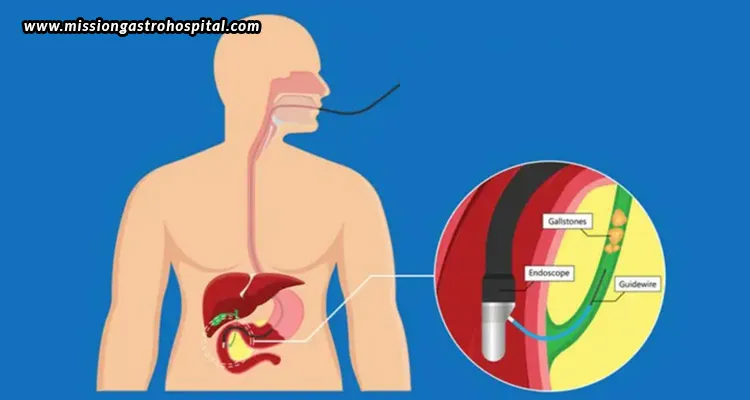
ERCP combines endoscopy and X-ray imaging to examine bile and pancreatic ducts, allowing doctors to diagnose abnormalities, as well as perform treatments simultaneously, like stone removal or stent placement during the procedure. ERCP offers several important advantages compared to traditional surgical approaches.
- It is a minimally invasive treatment
- It requires a very short hospital stay
- It requires lesser time for recovery
- It offers a chance to provide treatment parallel to diagnosis
- It offers improved symptom control in chronic pancreatitis
ERCP for acute pancreatitis
ERCP is advisable and beneficial for patients who show signs of infection, or whose symptoms are severe or worsening. When imaging shows persistent obstruction, or when gallstones are blocking the bile duct, ERCP is advised, as early intervention can prevent complications and improve recovery.
ERCP for chronic pancreatitis
Patients with chronic pancreatitis may benefit from ERCP if they experience persistent abdominal pain, pancreatic duct strictures, pancreatic duct stones, recurrent pancreatitis episodes, and pancreatic fluid leaks or pseudocysts. ERCP is often part of a long-term management strategy aimed at improving quality of life and preserving pancreatic function.
The diagnostic role of ERCP in pancreatitis
ERCP is particularly useful when pancreatitis is suspected to be linked to problems affecting the bile ducts or pancreatic ducts.
- Identifying gallstone-related pancreatitis
Gallstones are one of the leading causes of acute pancreatitis. Small stones can move from the gallbladder into the bile duct and temporarily block the pancreatic duct opening. This blockage prevents pancreatic enzymes from flowing normally, triggering inflammation. ERCP helps identify these gallstones, any obstructions caused, associated bile duct abnormalities, or the swelling or narrowing of ducts caused by these gallstones.
- Detecting pancreatic duct abnormalities
In chronic pancreatitis, repeated inflammation can cause structural changes in the pancreatic duct system. ERCP can reveal narrowed ducts, pancreatic duct stones, duct leaks, irregular duct anatomy, and fluid collections connected to the duct. These findings help gastroenterologists determine the severity of the condition and develop an appropriate treatment plan.
- Assessing suspected tumours or obstructions
Pancreatitis symptoms can sometimes overlap with those caused by pancreatic or bile duct tumours. ERCP helps evaluate suspicious narrowing or blockages that may indicate malignancy. In certain cases, tissue samples can also be collected during the procedure for further examination.
The therapeutic role of ERCP in Pancreatitis
One of the biggest advantages of ERCP is its ability to diagnose and treat problems during the same session.
- Removing gallstones causing pancreatitis
When gallstones block the bile or pancreatic duct, ERCP can be used to remove them. The procedure may involve performing a sphincterotomy, retrieving stones using balloons or baskets, and clearing the duct to restore normal drainage. Removing the blockage often leads to rapid improvement in symptoms and reduces the risk of complications.
- Treating pancreatic duct stones
Chronic pancreatitis can lead to the formation of stones inside the pancreatic duct. These stones obstruct pancreatic secretions and contribute to pain and inflammation. During ERCP, specialists may directly remove the small stones, break larger stones into smaller fragments, and restore proper pancreatic drainage. This treatment can significantly improve symptoms and reduce the frequency of pancreatitis flare-ups.
- Stent placement for duct narrowing
Inflammation from chronic pancreatitis may cause the pancreatic duct to narrow, restricting enzyme flow and increasing pressure inside the pancreas. ERCP allows doctors to place a small stent inside the duct to reduce pressure and improve drainage, relieving pain and preventing the chances of recurrent blockages.
- Managing pancreatic fluid leaks
Inflammation or injury to the pancreas may cause leakage of pancreatic fluids into surrounding tissues, resulting in fluid collections or pseudocysts. ERCP helps identify the source of the leak and allows doctors to place stents that redirect pancreatic secretions and promote healing.
- Reducing recurrent pancreatitis episodes
In some patients, repeated attacks of pancreatitis occur due to structural abnormalities or duct obstruction. By correcting these issues, ERCP helps reduce the likelihood of recurrent inflammation and long-term pancreatic damage.
Where to get your ERCP?
Choosing the right hospital and specialist for an ERCP procedure is essential for accurate diagnosis, effective treatment, and patient safety. Since ERCP is a highly specialized procedure involving both advanced imaging and therapeutic intervention, it should ideally be performed by experienced gastroenterologists in a well-equipped medical facility with modern endoscopy technology and emergency care support. Patients should also look for hospitals that offer comprehensive digestive care, including diagnosis, treatment, recovery guidance, and long-term follow-up for pancreatic and biliary conditions. One such trusted name is Mission Gastro Hospital, recognized for its advanced gastroenterology and endoscopy services. With experienced specialists, modern diagnostic facilities, and a patient-focused approach, the hospital provides the best ERCP in Ahmedabad, along with comprehensive care for conditions like pancreatitis, bile duct obstruction, gallstones, and other digestive disorders requiring ERCP intervention.
ERCP has revolutionized the diagnosis and treatment of pancreatitis by offering a minimally invasive method to detect and address duct-related issues impacting the pancreas and bile ducts. Whether it involves the removal of gallstones, alleviating duct blockages, placing stents, or addressing complications from chronic pancreatitis, ERCP is vital in enhancing patient outcomes and lessening the impact of pancreatic diseases. For individuals suffering from severe abdominal pain, recurrent pancreatitis, jaundice, or digestive issues, prompt assessment by a skilled gastroenterologist is crucial. With accurate diagnosis, advanced endoscopic treatment, and continuous lifestyle management, ERCP can aid in restoring pancreatic function, alleviating symptoms, and enhancing overall quality of life.