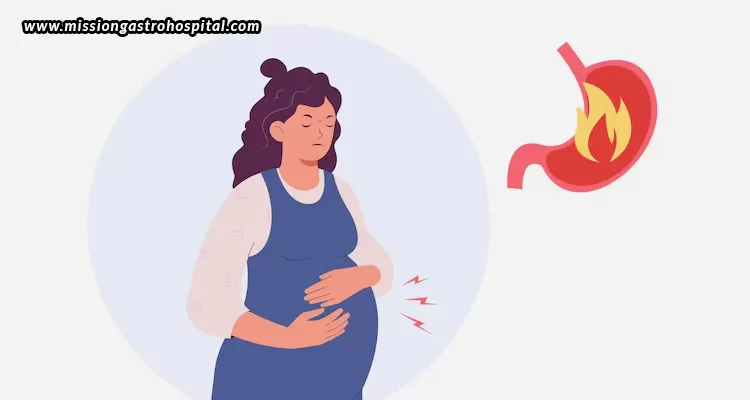
Pregnancy brings about profound physical, hormonal, and emotional changes within the body. And, one of the most affected systems during the time is the gastrointestinal system, with many women experiencing vomiting, heartburn, bloating, constipation, and diarrhoea as common discomforts. While most of these digestive issues are normal and temporary, some may indicate underlying issues that need medical attention. Understanding what is normal and what is not is essential for protecting both maternal and foetal health. Let’s explore the common digestive issues faced during pregnancy, versus those that demand professional medical care for safe health management.
How pregnancy affects the digestive system
During pregnancy, the digestive system undergoes a series of hormonal and metabolic changes that significantly influences its functioning. These alterations begin right from the early stages, up till childbirth, and maybe even after, leading to common discomforts like vomiting, bloating, heartburn, constipation, and diarrhoea. Hormonal fluctuations slow gastrointestinal motility and alter how food moves through the digestive tract. In later months, as the uterus expands, it places pressure on the stomach and intestines, which causes reflux and bloating. Moreover, pregnancy can also alter the gut microbiome and enzyme activity, which can subtly impact nutrient absorption, metabolism, and immune function. Together, these physiological changes make digestive symptoms one of the most common, but troublesome aspects of pregnancy; and proper management can make it easier to go through the difficult months of pregnancy.
Common digestive issues during pregnancy
While most women experience the same digestive discomforts, their severity and persistence can vary from woman to woman. Let’s explore the most common conditions and how to manage them better.
- Nausea and vomiting
Nausea and vomiting affects more than 80% of women. These symptoms typically begin around the sixth week of pregnancy, and often subside by weeks 14-16. Eating small frequent meals rather than larger portions during these weeks can help. Moreover, it is best to avoid spicy and greasy foods, and those with strong odours. It can also be helpful to keep plain crackers or dry toast handy to help after the vomiting. Staying hydrated and sipping more of fluids than munching on solids is recommended during these weeks. Your doctor may also suggest you vitamin B6 or ginger supplements to provide relief.
- Heartburn and acid reflux
Heartburn and acid reflux is another common symptom faced by most pregnant women. During pregnancy, the stomach acid flows upward into the oesophagus, causing discomfort and burning sensations. It is thus again recommended to stick to smaller frequent meals, rather than larger portions. It is also better to avoid lying down immediately after eating. It is also best to keep the head elevated while lying down or even while sleeping at night to help reduce reflux. Avoid consuming tea, coffee, citrus fruits, tomato-based foods, and fried products as much as possible during pregnancy.
- Bloating and gas
The relaxation of intestinal muscles and slow digestion can allow gas to build up more easily. This can result in bloating, discomfort, an flatulence. Pregnant women are thus advised to eat slowly and chew food thoroughly to make digestion easier. They are also advised to avoid carbonated beverages and gas-producing foods like beans, cabbage, and broccoli. It is also advisable to opt for gentle post-meal activities like walking that can help with digestion. Wearing loose-fitting clothes is advised to make it less uncomfortable during bloating episodes.
- Constipation
The hormonal relaxation of bowel muscles, reduced physical activity, and the use of iron supplements recommended by the doctor can all result in constipation. You can gain relief by consuming more of fruits, vegetables, while grains, and legumes, while ensuring adequate hydration through water and natural juices. Stay away from tea, coffee, and other caffeinated drinks that can reduce the water within your body. You must also maintain regular physical activity, even though it may be as simple as walking or easy yoga postures, to support healthy bowel movements.
- Diarrhoea
Occasional and mild diarrhoea is fairly common during pregnancy. To ease the symptoms, it is best to eat bland, low-fibre foods that are gentle on the stomach, such as bananas, rice, and toast. It is also advisable to avoid dairy products, greasy meals, and spicy foods until digestion returns to normal. Eating smaller portions more frequently can further support digestive comfort. With proper care and dietary caution, most cases resolve within a short period, allowing digestion to return to its usual rhythm.
- Postpartum digestive changes
Digestive symptoms don’t always end after childbirth; women experience postpartum issues too due to hormonal fluctuations, and the anaesthesia and medications used during delivery. Common issues here include constipation, gas, bloating, and acid reflux. These symptoms are particularly common in women who have undergone the C-section. Maintaining adequate hydration, consuming a fibre-rich diet, and engaging in gentle physical activities can help deal with these symptoms and restore normal bowel functioning, thus helping with overall postpartum well-being.
When digestive symptoms signal something serious
While most digestive issues mentioned above are common during pregnancy, an over-persistence of symptoms can indicate a “not-so-normal” condition, and may require immediate medical attention.
- Persistent vomiting: This can cause severe dehydration, electrolyte imbalance in the body, or significant weight loss, all of which can prove to be dangerous for a pregnant woman.
- Persistent acid reflux: This can indicate a serious condition, especially when accompanied with chest pain or black stools, which could be a serious digestive disorder that may need medical evaluation.
- Excessive bloating: This can suggest food intolerance, gastrointestinal infection, or another underlying issue, which should be immediately discussed with a healthcare provider for appropriate diagnosis and care.
- Painful constipation: When bowel movements are painful, accompanied with bleeding or cramps, it may indicate an issue that needs medical intervention. No bowel movement for several days is also a red flag.
- Prolonged diarrhoea: Diarrhoea that goes beyond days can bring on severe weakness, and can indicate bacterial or viral infection, which should be promptly evaluated by a healthcare professional.
When to see a gastroenterologist?
Persistent or severe symptoms may require a visit to a gastroenterologist, who will perform safe pregnancy-compatible diagnostic tests, and coordinate treatment plans with obstetric teams to ensure both maternal and foetal safety. Mission Gastro Hospital is the best place to go if you are residing in Ahmedabad where you can receive expert digestive care under the guidance of the best gastroenterologist in Ahmedabad, with access to advanced diagnostic tools, pregnancy-safe treatment options, and personalized dietary counselling tailored to your individual needs. The hospital’s multidisciplinary team emphasizes both prevention and management, ensuring comfort, safety, and long-term digestive wellness for expecting mothers. With a holistic approach that combines lifestyle guidance, medical therapy, and emotional support, Mission Gastro Hospital provides compassionate care throughout every stage of pregnancy.
Digestive issues during pregnancy are common, but understanding what’s normal and what’s not can make all the difference. While mild symptoms like bloating, heartburn, or constipation are expected, persistent or severe discomfort should not be ignored as they may warrant professional evaluation. Maintaining a balanced diet, following healthy lifestyle habits, and seeking timely advice from specialists can greatly ease these symptoms. With proper care and guidance, expectant mothers can enjoy a more comfortable pregnancy while protecting their digestive health and ensuring the safety of both mother and baby.