Fatty liver disease has become one of the most common liver disorders in India in recent years. In 2026, changing lifestyles, poor dietary habits, rising obesity, diabetes, and stress have made fatty liver a growing health concern across all age groups. Medically known as hepatic steatosis, fatty liver occurs when excess fat accumulates in liver cells. While a small amount of fat in the liver is normal, excess fat can lead to inflammation, liver damage, and serious complications if left untreated.
At Mission Gastro Hospital, advanced diagnosis and expert care are provided for patients suffering from fatty liver and other liver-related conditions under the guidance of Dr. Chirag N Shah, one of the leading gastroenterologists in Gujarat.
What Is Fatty Liver Disease?
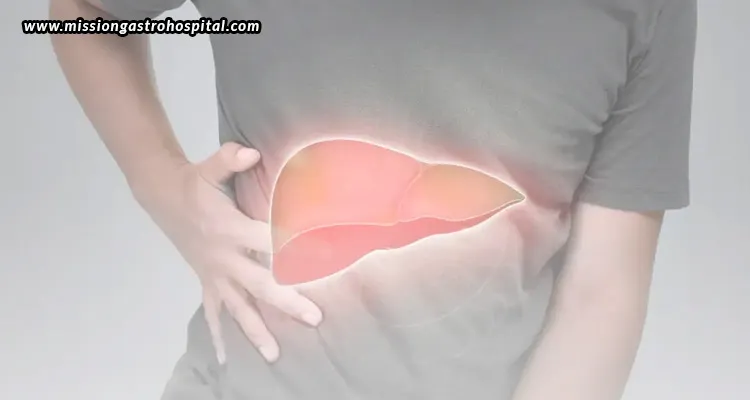
Fatty liver disease develops when fat content in the liver exceeds 5% of its total weight. This excess fat interferes with normal liver function and can gradually damage liver cells. In many cases, fatty liver shows no symptoms in the early stages, which is why it is often called a “silent liver disease.”
Fatty liver can affect people with obesity, diabetes, high cholesterol, alcohol use, or even individuals with no obvious risk factors.
Types of Fatty Liver Disease
Fatty liver disease is mainly classified into two types:
1. Alcoholic Fatty Liver Disease (AFLD)
This type is caused by excessive alcohol consumption. Alcohol interferes with fat metabolism in the liver, leading to fat accumulation. If alcohol intake continues, AFLD can progress to alcoholic hepatitis and liver cirrhosis.
2. Non-Alcoholic Fatty Liver Disease (NAFLD)
NAFLD occurs in people who drink little or no alcohol. It is commonly linked to:
- Obesity
- Type 2 diabetes
- Insulin resistance
- High triglycerides and cholesterol
NAFLD can progress to NASH (Non-Alcoholic Steatohepatitis), a more severe form involving liver inflammation and scarring.
Stages of Fatty Liver Disease
1. Simple Fatty Liver (Steatosis)
- Fat begins accumulating in liver cells
- Often no symptoms
- Reversible with lifestyle changes
2. Inflammation (Steatohepatitis)
- Liver cells become inflamed
- Mild liver damage begins
- Higher risk of progression
3. Fibrosis
- Scar tissue starts forming
- Liver structure begins to change
- Requires medical monitoring
4. Cirrhosis
- Severe scarring and permanent damage
- Liver function deteriorates
- Risk of liver failure and cancer
Early diagnosis is critical to stop progression at reversible stages.
Causes and Risk Factors of Fatty Liver
Several factors increase the risk of fatty liver disease:
- Obesity and overweight
- Type 2 diabetes and insulin resistance
- High cholesterol and triglycerides
- Excessive alcohol consumption
- Poor diet rich in sugar and processed foods
- Rapid weight loss or malnutrition
- Certain medications
- Genetic predisposition
Managing these risk factors plays a key role in treatment and prevention.
Symptoms of Fatty Liver Disease
In early stages, fatty liver may not cause noticeable symptoms. As the condition progresses, symptoms may include:
- Fatigue and weakness
- Discomfort or pain in the upper right abdomen
- Unexplained weight loss
- Loss of appetite
- Enlarged liver
- Jaundice (yellowing of skin and eyes in advanced stages)
- Abdominal swelling in severe cases
Because symptoms often appear late, regular health check-ups are essential.
Diagnosis of Fatty Liver
Fatty liver is usually diagnosed through:
- Blood tests (liver function tests)
- Ultrasound of the abdomen
- FibroScan or advanced imaging
- In selected cases, liver biopsy
At Mission Gastro Hospital, modern diagnostic tools help detect fatty liver early and monitor disease progression accurately.
Treatment of Fatty Liver Disease
There is no single medicine that cures fatty liver. Treatment focuses on lifestyle modification and controlling underlying conditions. With proper care, many patients show improvement within 3–6 months.
Key Treatment Approaches
- Gradual weight loss (5–10% body weight)
- Improved insulin sensitivity
- Reduction in liver fat content
- Normalisation of liver enzymes
- Control of cholesterol and blood sugar
Diet and Lifestyle Management
Foods to Avoid
- Sugar and refined carbohydrates
- Processed and fried foods
- Sugary drinks and sweets
- Excess salt and packaged snacks
- Alcohol
Healthy Habits to Follow
- Balanced diet rich in vegetables, fruits, and whole grains
- Lean proteins like pulses, fish, and chicken
- Regular physical activity (30–45 minutes daily)
- Adequate hydration
- Stress management and quality sleep
Post-Care and Long-Term Monitoring
Successful management of fatty liver requires:
- Regular follow-ups with a gastroenterologist
- Periodic liver function tests
- Monitoring liver size and fat content
- Managing associated conditions like diabetes and obesity
- Continuous patient education and lifestyle adherence
Conditions Commonly Associated with Fatty Liver
Fatty liver often coexists with:
- Type 2 diabetes
- Obesity
- Cardiovascular disease
- Metabolic syndrome
- Dyslipidemia
Treating these conditions together improves overall liver health.
When to Consult a Liver Specialist
You should consult a gastroenterologist if you have:
- Persistent fatigue or abdominal discomfort
- Abnormal liver blood reports
- Diabetes with fatty liver
- Obesity with digestive symptoms
- History of alcohol use and liver issues
Early medical intervention can prevent irreversible liver damage.
Expert Fatty Liver Care at Mission Gastro Hospital
Mission Gastro Hospital, established in 2019 in Satellite, Ahmedabad, is an advanced gastroenterology centre dedicated to transparent, world-class liver and digestive care. Under the leadership of Dr. Chirag N Shah, the hospital offers expert evaluation, modern diagnostics, and patient-centric treatment for fatty liver disease.
Patients from Ahmedabad, Gujarat, Rajasthan, Madhya Pradesh, and international locations trust Mission Gastro Hospital for advanced liver care and long-term disease management.
Conclusion
Fatty liver disease is a growing health challenge in 2026, but the good news is that it is reversible in most cases when detected early. Healthy lifestyle changes, regular monitoring, and expert medical guidance can prevent progression to serious liver disease.
If you are concerned about liver health or have been diagnosed with fatty liver, timely consultation with an experienced gastroenterologist can make a life-changing difference. At Mission Gastro Hospital, comprehensive liver care focuses on early recovery, long-term health, and improved quality of life.