Jaundice can be a concerning symptom that requires timely evaluation to identify its underlying cause. When associated with bile duct-related problems, advanced procedures like ERCP can play an important role in diagnosis and treatment. This minimally invasive technique helps gastroenterologists address bile duct abnormalities and restore normal bile flow. Understanding when ERCP is recommended and how it supports jaundice management can help patients make informed decisions about their digestive and liver health. This blog explores the role of ERCP in managing jaundice, its benefits, and the situations where this procedure may be required.
The link between jaundice and bile flow
Jaundice occurs when there are increased levels of bilirubin in the blood – a yellow pigment produced when red blood cells naturally break down. The liver is generally responsible for removing the bilirubin from the body through bile. But, when the pathway of the bile is blocked, bile cannot flow properly, causing bilirubin to accumulate in the bloodstream, resulting in jaundice. The blockage could be caused by a variety of factors – problem in the liver, increased breakdown of red blood cells, or an obstruction of the bile ducts. When the main cause is blockage in the bile ducts, it is known as obstructive jaundice, and ERCP can play an important role in diagnosis and treatment.
What causes bile duct blockage?
Bile ducts can become blocked due to various factors, including gallstones, strictures, inflammation, infections, or growths affecting the surrounding organs and tissues.
- Gallstones
Gallstones are hardened deposits that form inside the gallbladder, which may travel into the common bile duct. When a stone becomes lodged in the duct, it prevents bile from reaching the intestine, causing bilirubin buildup, and hence, jaundice.
- Bile duct strictures
A bile duct stricture refers to the abnormal narrowing of the bile duct, which can be caused due to inflammation, previous surgeries, injuries, or chronic conditions affecting the bile ducts. When the duct becomes narrowed, bile flow is restricted, leading to jaundice.
- Tumours affecting the bile duct
Growths or tumours in areas surrounding the bile ducts can compress or block the bile drainage pathway. These blockages may develop gradually, and jaundice can sometimes be the first noticeable symptom.
- Bile duct infections and inflammation
Conditions causing inflammation or infection of the bile ducts can interfere with normal drainage. A blocked bile duct can also increase the risk of bacterial infection, leading to a condition called cholangitis.
How does ERCP help?
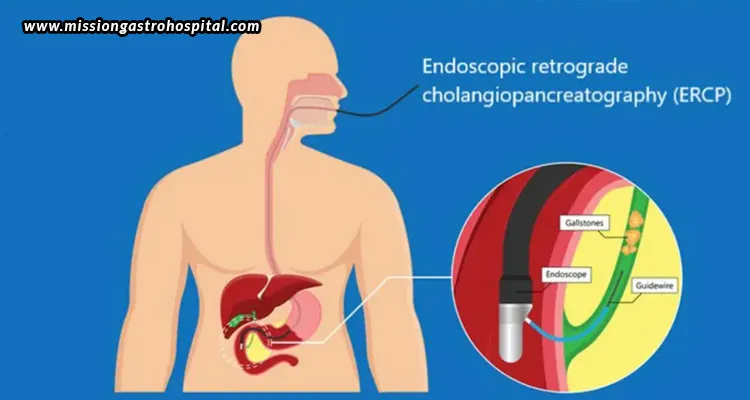
ERCP is an advanced endoscopic procedure used to examine and treat problems affecting the bile ducts. It is first used to identify the cause of obstruction, and once the cause is identified, the problem can be treated there and then itself. The main goal of ERCP in obstructive jaundice is to remove the blockage and restore normal bile drainage. Depending on the cause, different treatment procedures may be used.
- Removing bile duct stones
When gallstones are responsible for bile duct obstruction, ERCP allows doctors to remove them without major surgery. During the procedure, a small opening can be enlarged to gain access the bile duct. Specialized instruments like balloons or baskets are then used to capture and remove the stones. Once the stones are removed, bile can flow normally again, helping reduce bilirubin levels and improving jaundice symptoms.
- Placing bile duct stents
In cases where the bile duct remains narrowed due to strictures, inflammation, or tumours, doctors may place a small tube called a stent inside the duct. A stent helps keep the bile duct open, which allows continuous bile drainage, reducing jaundice symptoms. Depending on the underlying condition, stents may be temporary or long-term.
- Treating bile duct infections
When bile duct obstruction leads to infection, ERCP helps drain the blocked and infected bile, allowing proper bile flow to resume. This reduces pressure within the bile ducts, controls inflammation, and helps prevent the spread of infection. By addressing the blockage directly, ERCP supports faster recovery and improves outcomes in patients experiencing complications such as cholangitis caused by obstructed bile drainage.
When is ERCP recommended for jaundice?
Not every patient with jaundice requires ERCP. Doctors usually recommend the procedure when tests indicate a blockage or abnormality in the bile duct system. Any issue within the liver or an increased breakdown of red blood cells cannot be diagnosed or treated through ERCP. ERCP may be advised when:
- Imaging tests show bile duct stones
- There is evidence of bile duct obstruction
- Jaundice is caused by blocked bile drainage
- There are signs of cholangitis or infection
- Bile duct strictures require treatment
- A stent is needed to restore bile flow
- Further evaluation of suspected tumours is required
Before recommending ERCP, doctors may use imaging tests like ultrasound, CT scans, or MRCP to understand the cause of jaundice and determine the most appropriate treatment approach.
Where to get ERCP treatment for jaundice?
Choosing the right healthcare facility is important when undergoing ERCP, as the procedure requires advanced technology, experienced gastroenterologists, and proper patient monitoring. A hospital with specialized digestive care services can provide accurate diagnosis, effective treatment, and comprehensive follow-up support. For patients looking for ERCP in Ahmedabad, Mission Gastro Hospital provides advanced gastroenterology and endoscopy services for conditions affecting the bile ducts, pancreas, and digestive system. With experienced specialists and modern facilities, the hospital offers comprehensive evaluation and treatment for obstructive jaundice, bile duct stones, strictures, and other conditions requiring ERCP.
Jaundice caused by bile duct obstruction is a condition that requires timely diagnosis and appropriate treatment. When blockages prevent normal bile flow, they can affect liver health and lead to serious complications if left untreated. ERCP has become a valuable procedure for managing these conditions by allowing doctors to identify blockages, remove stones, place stents, and restore bile drainage through a minimally invasive approach. For patients experiencing symptoms such as yellowing of the eyes, dark urine, abdominal pain, or persistent digestive discomfort, consulting an experienced gastroenterologist is essential. With advanced procedures like ERCP and proper medical care, many causes of obstructive jaundice can be effectively treated, helping patients regain better digestive and liver health.