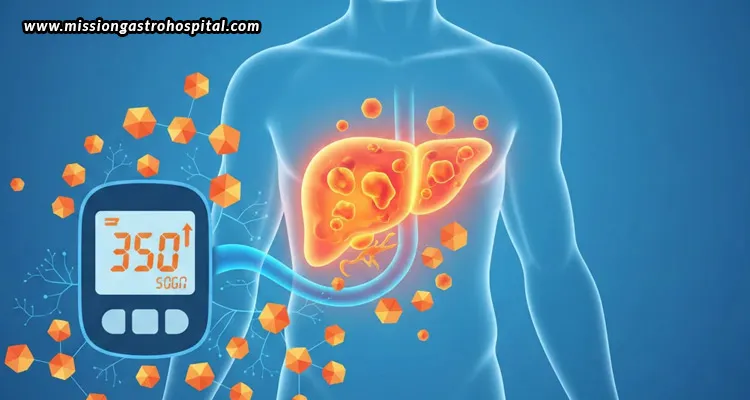
Diabetes – the high levels of sugar in the blood – is often linked to the ill-functioning of the pancreas, the organ that is responsible to produce insulin that can control blood sugar levels. However, one critical aspect that often goes unnoticed is the impact diabetes can have on the liver. Diabetes and liver health are deeply interconnected – individuals with diabetes have a significantly higher risk of developing liver-related complications, many of which progress silently over time. Understanding this connection is essential not only for managing diabetes effectively, but also for preventing serious liver conditions. This blog explores how diabetes affects the liver, the conditions that may arise, and what individuals can do to protect both metabolic and liver health.
How can diabetes affect the liver?
Diabetes can silently impact liver health, starting with fat buildup in the liver, and progressing to inflammation and other severe complications. Understanding this connection is essential, as these conditions can make overall health management more challenging.
- Fatty liver disease – The first step
The most common liver condition that can arise due to diabetes is the development of fatty liver disease. This condition occurs when excess fat accumulates in liver cells. This happens because insulin resistance increases fat storage in the liver, high blood sugar levels promote fat synthesis, and obesity and metabolic syndrome accelerate the fat accumulation. Up to 70% of people with diabetes are seen to have some degree of fatty liver. Over time, this fatty liver can progress to more severe forms of liver disease.
- From fatty liver to inflammation
If the fat accumulation in the liver persists, it may trigger inflammation, leading to a condition known as steatohepatitis. This is more serious than fatty liver because it involves inflammation and injury to the liver cells, which can increase the risk of fibrosis – the thickening and scarring of tissues in the liver. Individuals with diabetes are at a higher risk of developing steatohepatitis due to ongoing metabolic stress and chronic inflammation.
- Progression to fibrosis and cirrhosis
Persistent inflammation can lead to the formation of scar tissue in the liver, known as Liver Fibrosis. As fibrosis advances, it disrupts normal liver function and blood flow. In advanced stages, fibrosis may progress to Cirrhosis, a condition characterized by extensive scarring and impaired liver function. Cirrhosis increases the risk of complications like liver failure, internal bleeding, and fluid accumulation in the abdomen. All of these risks can occur more rapidly if blood sugar levels remain uncontrolled.
- High risk of liver cancer
One of the most serious consequences of chronic liver disease is the development of liver cancer! If blood sugar levels are not controlled, simple liver disease can progress to inflammation to fibrosis, and finally to liver cancer. Chronic inflammation, oxidative stress, and cellular damage contribute to this increased risk.
The connection between diabetes and liver health is not one-sided. While diabetes can cause damage to the liver, liver dysfunction can also worsen diabetes. A damaged liver becomes less effective at regulating glucose metabolism, leading to poor blood sugar control and increased insulin resistance. This creates a cycle where each condition exacerbates the other, making management more complex.
Diagnosis and monitoring
Early diagnosis of liver involvement in diabetic patients can significantly improve the outcomes. While there are no noticeable symptoms seen in the initial stages of fatty liver or inflammation, you must look for the basic symptoms as soon as they arise. These include:
- Persistent fatigue
- Mild abdominal discomfort
- Unexplained weight changes
- Yellowing of the skin and eyes)
- Swelling in the abdomen or legs
- Easy bruising
If any of these symptoms appear, timely medical evaluation and professional intervention are strongly recommended. A healthcare professional will typically begin with a detailed clinical assessment and may recommend a combination of tests to understand liver health more accurately. These may include liver function tests, ultrasound imaging, non-invasive fibrosis assessments, and, in selected cases, advanced imaging or biopsy to evaluate the extent of liver involvement.
Because liver complications in diabetic patients can progress silently, continuity of care and early specialist intervention play a crucial role in preventing long-term damage. In such cases, consulting a dedicated liver hospital in Ahmedabad like Mission Gastro Hospital can help ensure timely diagnosis, precise evaluation, and well-structured long-term management.
Management and prevention
It is always crucial to take care right from the point you are acknowledged with having diabetes. After all, prevention is always better than cure. Go in for regular health checkups to detect any liver abnormalities. Early screening and timely intervention can prevent progression to advanced stages. Healthcare providers often recommend routine liver assessments for diabetic patients, even in the absence of symptoms.
In addition, there are some simple lifestyle measures you can follow on your own to better manage your diabetes. These include:
- Maintain stable blood sugar levels to reduce metabolic stress and protect liver health.
- Focus on gradual weight loss to reduce liver fat and improve insulin sensitivity.
- Engage in regular exercise to improve glucose use and reduce liver fat accumulation.
- Ensure proper nutrition with a balanced diet rich in whole foods, fibre, and healthy fats.
- Reduce refined sugars, processed foods, and sugary drinks to control blood sugar levels.
- Limit or avoid alcohol consumption, reducing added strain on the liver and preventing further damage.
- Maintain consistent sleep patterns to support metabolism and overall health.
- Manage stress effectively to prevent blood sugar fluctuations and metabolic imbalance.
The connection between diabetes and liver health is intricate, interrelated, and increasingly significant in healthcare. Conditions like fatty liver disease, steatohepatitis, fibrosis, and cirrhosis are closely associated with metabolic dysfunction caused by diabetes. The main point is evident: effectively managing diabetes involves more than just regulating blood sugar; it involves protecting the entire body, including the liver. Through early detection and modified lifestyle changes, along with proper medication if required, diabetic patients can significantly reduce their chances of liver complications and sustain long-term health. In a time when both diabetes and liver disease are becoming more prevalent, awareness and proactive management serve as the most effective strategies for prevention and recovery!