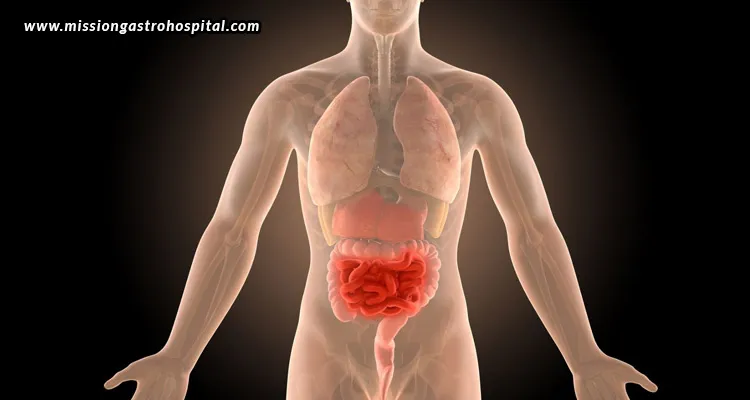
Digestive health is often neglected, until something feels really off. A bit of bloating after a large meal, occasional acidity, or irregular bowel movements might initially appear harmless. However, many individuals fail to recognize that the digestive system has its own methods of indicating when something is wrong. The difficulty lies in discerning which symptoms are fleeting and which warrant further investigation. Early comprehension of digestive symptoms, awareness of warning signs related to gastrointestinal disorders, and the adoption of habits that promote long-term gut health can significantly impact not only comfort but also overall well-being. The blog below consolidates all of that information, assisting you in understanding when to be concerned and how to sustain a healthy digestive system over time.
When is a digestive symptom more than just “normal”?
Almost everyone encounters digestive discomfort at some stage. It may be triggered by overeating, stress, travel, or a shift in routine. In many instances, these symptoms resolve independently. Nevertheless, the crucial element that distinguishes a minor issue from a potential concern is the frequency, duration, and intensity of the symptoms. Occasional issues like mild indigestion or temporary constipation are generally not alarming. However, when these problems become persistent or begin to disrupt daily life, they may indicate an underlying issue. For instance, recurring bloating after meals could suggest food intolerance or inadequate digestion. Frequent heartburn might indicate acid reflux problems. Likewise, ongoing constipation or diarrhoea may point to an imbalance in gut function rather than merely a dietary concern. The body seldom sends signals without purpose. Continuously ignoring them can allow minor issues to evolve into more serious conditions over time.
Early signs of gastrointestinal issues you shouldn’t ignore
Many gastrointestinal disorders do not manifest abruptly; instead, they evolve over time, often beginning with subtle signs. Identifying these initial symptoms can aid in preventing complications and facilitate prompt treatment.
- One of the most prevalent early signs is ongoing abdominal discomfort. This could be in the form of cramping, gas, or a persistent heaviness that is not easily alleviated. While occasional discomfort is typical, continuous pain is not.
- Another significant indicator is a shift in bowel habits. This encompasses frequent constipation or diarrhoea, as well as alterations in stool consistency or colour. Such variations may signify issues such as irritable bowel syndrome, infections, or inflammation within the digestive system.
- Unexplained weight loss is another concerning symptom. If you find yourself losing weight without any deliberate changes to your diet or exercise routine, it may suggest that your body is not effectively absorbing nutrients.
- A decrease in appetite, particularly when accompanied by nausea or discomfort after meals, can also indicate digestive issues. This often points to underlying inflammation or irritation in the stomach or intestines.
- One symptom that should never be overlooked is the presence of blood in the stool or black, tarry stools. This could signify bleeding within the gastrointestinal tract and necessitates immediate medical attention.
- Chronic fatigue can also sometimes be associated with digestive health. Inadequate absorption of nutrients such as iron, vitamin B12, or other vital elements can result in diminished energy levels.
The common theme among all these symptoms is their persistence. If something feels off for several days or weeks, it is important to take notice.
Why early awareness matters
Identifying digestive problems early not only alleviates discomfort but also significantly lowers the chances of complications. Many gastrointestinal issues, when detected in their initial phases, are much simpler to manage. For example, mild acid reflux can frequently be controlled through dietary adjustments and lifestyle modifications. However, if it remains untreated, it could escalate into more severe conditions that impact the oesophagus. Likewise, early-stage gut inflammation can be effectively managed, whereas prolonged inflammation may result in chronic digestive disorders. Being aware of these issues also lessens unnecessary anxiety. Numerous individuals fret over symptoms without fully understanding them, while others may overlook critical warning signs. Being well-informed aids in achieving the right balance.
Building a strong foundation for long-term digestive health
Maintaining a healthy digestive system does not necessitate drastic changes. Rather, it involves consistent, practical habits that support gut function over time.
- One of the key components is balanced nutrition. A diet abundant in fibre, whole grains, fruits, and vegetables promotes healthy digestion. Fiber aids in regulating bowel movements and encourages the growth of beneficial gut bacteria.
- Incorporating probiotic-rich foods such as yogurt or fermented products can assist in sustaining a balanced gut microbiome. These beneficial bacteria are crucial for digestion and immune function.
- Simultaneously, it is essential to recognize and limit foods that cause discomfort. Common offenders include overly spicy foods, processed items, high-fat meals, and carbonated beverages. However, triggers can differ from individual to individual, making awareness vital.
- Meal timing also plays a role in digestion. Eating at regular intervals allows the digestive system to operate more efficiently. Skipping meals or consuming food late at night can disrupt this rhythm and lead to problems such as acidity or bloating.
- Eating slowly and thoroughly chewing food is another straightforward yet effective habit. This practice lessens the strain on the digestive system and enhances nutrient absorption.
Daily routines that create a significant impact
Minor daily practices frequently have the most substantial effect on digestive well-being. This is why it is absolutely important to identify the daily habits that could be harming your gut, and work on improving them immediately.
- Beginning your morning with warm water can aid in promoting digestion. Remaining physically active, even if it is a simple activity like walking, keeps the digestive system functioning well.
- Managing stress through mindfulness, breathing techniques, or enjoyable activities can greatly enhance gut health. Since stress has a direct influence on digestion, even minor efforts to unwind can produce noticeable improvements.
- Refraining from overeating is also crucial. Large meals can burden the digestive system, resulting in discomfort and lethargy.
- It’s beneficial to heed your body’s natural signals – eating when you feel hungry and stopping when you are satisfied. Disregarding these cues can disturb digestive equilibrium over time.
When should you see a doctor?
Although many digestive problems can be addressed with lifestyle modifications, certain conditions necessitate medical intervention. You should think about reaching out to a healthcare provider if you encounter:
- Persistent symptoms that last longer than a few weeks
- Intense abdominal discomfort
- Unexplained weight loss
- Trouble swallowing
- Blood in stool or dark stools
- Ongoing fatigue associated with digestive issues
Seeking early advice can result in precise diagnosis and effective treatment, helping to avoid complications in the future. For those seeking expert care, Mission Gastro Hospital is a trusted choice for consulting an experienced gastro doctor Ahmedabad. With focus on accurate diagnosis and patient-focused care, the hospital provides advanced assessment and treatment for a variety of digestive disorders, assisting patients in addressing their concerns promptly and effectively.
Your digestive system does much more than just process food; it is essential for maintaining your overall health. It affects everything from your energy levels to your immune system, influencing various aspects of your body. By being aware of digestive symptoms, identifying early warning signs, and taking a proactive approach, you can prevent potential health issues. Overlooking persistent discomfort or depending on quick solutions may offer temporary relief, but it fails to tackle the underlying problem. A thoughtful and consistent lifestyle that incorporates balanced nutrition, regular exercise, and effective stress management can significantly enhance long-term digestive health. Ultimately, your gut sends you messages every day. The real question is – are you listening?