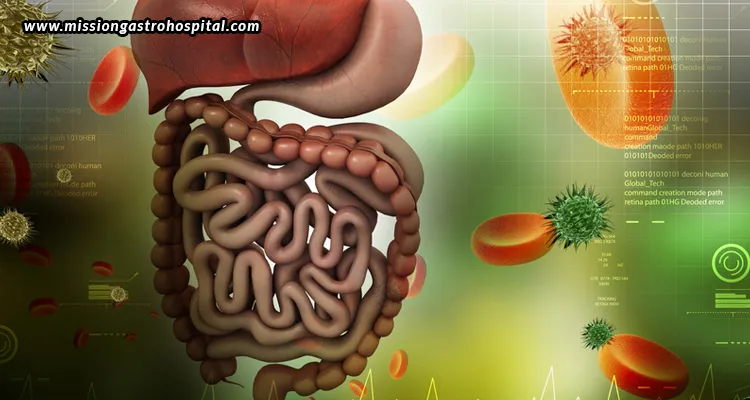
Colon health is intricately linked to our daily living habits. Although genetics and age do play a role in the likelihood of developing digestive disorders and colorectal cancer, research increasingly indicates that our everyday lifestyle choices significantly impact the colon’s health over time. Factors like our dietary intake, level of physical activity, stress management, sleep quality, and habits like smoking or alcohol use all affect the digestive system’s well-being. Sedentary habits, consumption of processed foods, irregular meal times, chronic stress, and insufficient hydration have become more prevalent. Over time, these behaviours can lead to issues such as constipation, inflammation, imbalances in gut microbiota, obesity, and an elevated risk of colorectal cancer. However, many conditions related to the colon can be prevented. By understanding how lifestyle choices affect digestive health, individuals can take proactive measures to lower their risk, enhance gut function, and ensure long-term wellness.
Understanding the role of the colon
The colon, also known as the large intestine, plays a crucial role in absorbing water and electrolytes, processing waste, and nurturing trillions of beneficial gut bacteria that aid in digestion, immunity, and overall health. A well-functioning colon promotes regular bowel movements, maintains nutrient balance, and effectively removes toxins from the body. When lifestyle choices adversely affect the digestive system, the colon is often one of the first organs to show signs of distress. Chronic inflammation, slow bowel movements, changes in gut bacteria, and metabolic alterations can gradually compromise colon health over time. Since many colon-related diseases develop slowly and without noticeable symptoms, consistently maintaining healthy habits is one of the most effective strategies for prevention.
The role of diet in colon health
Diet is one of the most significant factors affecting colon function and colorectal cancer risk. What we eat directly influences bowel regularity, gut bacteria, inflammation levels, and metabolic health.
- Fibre
Fibre plays a central role in maintaining a healthy digestive system. It adds bulk to stool, supports regular bowel movements, and feeds beneficial gut bacteria. Foods rich in fibre, like fruits, vegetables, whole grains, legumes, nuts, and seeds can support the healthy gut microbiota, which helps removes waste and toxins effectively. As a result, colon inflammation is reduced, constipation can be avoided, and the risk of colorectal cancer can be reduced. Low-fibre diets can slow digestion and increase pressure within the colon, contributing to digestive discomfort and long-term complications.
- Processed foods
Numerous studies have linked excessive intake of processed meats and red meat with a higher risk of colorectal cancer. Sausages, bacon, processed deli meats, beef, and lamb often require high-temperature cooking methods such as grilling or charring, which can produce compounds that can damage colon cells over time. Moderation and balanced dietary choices are essential for reducing risk.
- Hydration
Water plays a critical role in digestion and bowel regularity. Inadequate hydration can lead to harder stools and chronic constipation, placing additional strain on the colon. Proper hydration helps support digestion, improve fibre effectiveness, reduce bloating and discomfort, and maintain smooth bowel movements. Individuals with a high water intake throughout the day can maximize their digestive benefits.
Exercise and colon health
Physical activity benefits nearly every system in the body, including the digestive tract. Sedentary lifestyles have been associated with higher risks of obesity, constipation, metabolic disorders, and colorectal cancer.
- Regular exercise
Regular physical activity improves blood circulation and helps maintain a healthy body weight. It also reduces inflammation an stimulates intestinal movement, which reduce constipation and digestive discomfort. Exercise also helps regulate insulin levels and metabolic hormones, both of which influence cancer risk.
- Obesity
Obesity is a major lifestyle-related risk factor for colorectal cancer. Excess body fat contributes to chronic inflammation, hormonal imbalances, insulin resistance, and increased oxidative stress, all of which promotes abnormal cell growth within the colon over time. Maintaining a healthy weight through balanced nutrition and regular exercise significantly reduces these risks.
- Recommended physical activity
Most health organizations recommend at least 150 minutes of moderate exercise per week, or 75 minutes of vigorous weekly activity. This may not include high-stress activities. Simple tasks like walking, cycling, swimming, yoga, and strength training can positively impact digestive health.
Stress and colon health
Stress is often overlooked when discussing digestive wellness, yet the connection between the brain and gut is extremely powerful. Emotional stress can directly affect digestive function, bowel habits, and gut sensitivity. Long-term stress may contribute to Irritable Bowel Syndrome (IBS), abdominal cramping, diarrhoea or constipation, and increased inflammation. Stress can also alter gut bacteria balance and increase inflammatory responses within the digestive system.
- Stress, lifestyle habits, and cancer risk
People under chronic stress may have poor sleep, and eat more processed foods. They may also smoke a lot or consume alcohol excessively. Over time, these combined lifestyle patterns may indirectly increase the risk of colorectal disease and cancer development.
- The role of sleep in digestive health
Inadequate or poor-quality sleep can disrupt metabolism, increase inflammation, and negatively affect gut bacteria. Health sleep supports hormonal balance, immune function, metabolic regulation, stress reduction, and digestive recovery. Adults should aim for approximately 7–9 hours of quality sleep per night for optimal overall and digestive health.
Avoiding problems with daily health habits
Numerous instances of colorectal cancer are associated with adjustable risk factors. Although no lifestyle can ensure total prevention, adhering to healthy habits consistently can greatly lower the risk. Some of the healthy daily practices for colon safety include:
- Consuming a diet high in fibre
- Reducing intake of processed foods and red meat
- Engaging in regular physical activity
- Ensuring adequate hydration
- Refraining from smoking
- Limiting consumption of alcohol
- Effectively managing stress
- Maintaining a healthy body weight
Preventive healthcare is not reliant on a single significant choice; it is established through small, consistent daily decisions made over time.
When unhealthy lifestyle choices result in colon issues
Long-term unhealthy lifestyle habits can lead to digestive disorders that necessitate medical assessment and colonoscopy. Chronic constipation, obesity, inflammatory changes, ongoing digestive symptoms, and heightened colorectal cancer risk are frequently linked to prolonged dietary imbalances, lack of physical activity, smoking, excessive alcohol consumption, and unmanaged stress. This underscores the importance of viewing healthy habits as permanent commitments rather than temporary fixes. They represent long-term investments in digestive health and disease prevention. Nevertheless, when symptoms arise or screening is required, selecting the appropriate specialist becomes crucial.
At Mission Gastro Hospital, patients benefit from expert digestive care provided by the best colonoscopy doctors in Ahmedabad. The hospital integrates cutting-edge diagnostic technology, skilled gastroenterologists, safe colonoscopy practices, and a patient-focused approach to guarantee precise evaluations and early identification of colon issues. Whether it involves preventive screenings, symptom assessments, or follow-up care, Mission Gastro Hospital in Ahmedabad offers extensive support for sustained colon health.
Colon health is significantly affected by daily lifestyle choices. Factors such as diet, exercise, stress management, hydration, sleep quality, and the avoidance of detrimental habits all play a role in the long-term well-being of the digestive system. While genetics and age are significant risk factors, many colon-related ailments can be prevented or detected early through healthier living and regular medical screenings. The daily choices we make may appear minor, but over time, they profoundly influence digestive health outcomes. Upholding healthy habits not only enhances bowel function and overall wellness, but also reduces the risk of severe conditions like colorectal cancer.