Obesity is a chronic health condition that can affect overall health and quality of life. While lifestyle changes, medications, and bariatric surgery can support weight management, not every patient achieves adequate results or is suitable for surgery. Endoscopic Sleeve Gastroplasty (ESG) offers a minimally invasive, incisionless approach that reduces stomach volume using internal sutures without removing stomach tissue. However, ESG is not suitable for everyone. Candidate selection depends on factors such as BMI, obesity-related health conditions, previous weight-loss attempts, medical history, stomach anatomy, realistic expectations, and willingness to follow long-term dietary and lifestyle recommendations.
What is Endoscopic Sleeve Gastroplasty (ESG)?
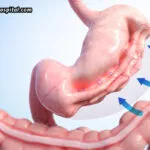
Before discussing who may benefit from ESG, it is useful to understand what the procedure involves. Performed through the mouth using an endoscope, ESG requires no external abdominal incisions. A specialized endoscopic suturing system places full-thickness sutures in the stomach, reducing its capacity and creating a sleeve-like shape without surgically removing any part of the stomach. By reducing gastric volume, ESG can help patients feel full after eating smaller portions. Its effects may also involve changes in appetite, eating behaviour, and satiety, supporting long-term weight management. As an anatomy-preserving approach, ESG can offer an option between lifestyle or medical treatment and more invasive bariatric surgery. However, it is not a standalone solution. Successful outcomes depend on combining ESG with lifestyle modification, dietary changes, and ongoing clinical support.
BMI and ESG eligibility
BMI is one factor physicians consider when assessing whether ESG may be appropriate, but there is no single BMI threshold that determines eligibility for every patient. The 2024 joint guideline from ASGE and ESGE suggests endoscopic bariatric and metabolic therapies for adults with a BMI of 30 kg/m² or higher, or 27.0–29.9 kg/m² with at least one obesity-related condition. ESG has been studied extensively in people with class I and II obesity (BMI 30–39.9 kg/m²), including participants in the MERIT trial with BMI between 30 and 40 kg/m². Selected patients with class III obesity may also be considered, particularly when surgery is unsuitable or undesired. Ultimately, BMI serves as a starting point rather than an automatic yes-or-no rule, with overall health, medical history, and treatment goals also influencing eligibility.
Who all are eligible for ESG?
ESG may suit adults with obesity who have struggled with nonsurgical weight loss and are medically appropriate for the procedure.
- Patients who have not achieved adequate results with lifestyle changes
A good ESG candidate may be someone who has made genuine efforts to lose weight through diet, physical activity, and behavioural changes but has not achieved or maintained sufficient weight loss. Because obesity is a complex, chronic condition, some individuals continue to struggle despite sustained lifestyle efforts. ESG can provide an additional intervention alongside these measures rather than replacing them. However, patients should understand that the procedure is not a standalone solution. Long-term results depend significantly on adopting sustainable dietary and behavioural changes, following nutritional guidance, and maintaining healthy habits after ESG.
- Patients with obesity-related health conditions
Obesity can occur alongside conditions such as type 2 diabetes, high blood pressure, obstructive sleep apnea, fatty liver disease, and other metabolic or cardiovascular problems. In these cases, weight management may offer benefits beyond reducing body weight. ESG is recognized as an option for selected patients with obesity and related metabolic conditions, including those with type 2 diabetes and a BMI of at least 30 kg/m². However, having a specific condition does not automatically make someone eligible. Physicians must also consider disease severity, medications, overall health, and suitability for anaesthesia and endoscopy.
- Patients looking for a less invasive alternative to bariatric surgery
Some people who could benefit from substantial weight loss may not want traditional bariatric surgery because of concerns about incisions, recovery, complications, or permanent anatomical changes. ESG may be considered for selected patients seeking a less invasive approach, as it is performed endoscopically without removing stomach tissue. However, less invasive does not mean risk-free or suitable for everyone. Bariatric surgery may provide greater weight loss for some patients, particularly those with severe obesity or specific metabolic needs. Treatment decisions should therefore be individualized based on health, goals, and medical suitability.
- Patients with suitable stomach anatomy
Medical suitability also depends on the anatomy and condition of the upper gastrointestinal tract. Before ESG, the treating team may perform an assessment to determine whether the stomach is suitable for the procedure and whether there are anatomical or gastrointestinal factors that could affect safety or effectiveness. Previous gastrointestinal surgery, inflammatory gastrointestinal conditions, ulcers, or other abnormalities may influence whether ESG is appropriate. For example, participants in the MERIT clinical trial were carefully selected and excluded if they had a history of gastrointestinal surgery or gastrointestinal inflammatory disease. This does not mean that every patient with a previous gastrointestinal procedure is automatically excluded from ESG. Rather, previous surgery or gastrointestinal disease requires individual assessment because altered anatomy may affect the technical feasibility and safety of the procedure.
Who may not be a suitable candidate?
Just as important as identifying potential candidates is recognizing when ESG may not be appropriate. Patients with certain gastrointestinal disorders, significant stomach abnormalities, or medical conditions that increase procedural or anaesthesia-related risks may require alternative treatments. Medications, particularly those affecting bleeding risk, may also require careful evaluation. Patients with severe obesity may need a broader assessment to determine whether ESG alone is appropriate or whether bariatric surgery, medication, or a combination approach could provide greater benefit. IFSO recognizes ESG as an option for selected patients with class III obesity who are unsuitable for or do not wish to undergo metabolic bariatric surgery. Therefore, the decision should follow a comprehensive medical evaluation rather than depend solely on BMI or personal preference.
Is Endoscopic Sleeve Gastroplasty right for you?
Whether Endoscopic Sleeve Gastroplasty is right for you depends on more than your BMI. ESG may be considered for adults with obesity who have not achieved adequate results through nonsurgical weight-management approaches, particularly within BMI ranges where the procedure has been extensively studied. It may also be an option for selected patients with obesity-related health conditions or those who are not suitable for, or do not wish to undergo, bariatric surgery. You should also be medically appropriate for the procedure, have realistic expectations, and be willing to continue dietary, physical activity, behavioural, and medical support afterward. Ultimately, your overall health, previous treatment attempts, medical history, and long-term weight-management goals all help determine whether ESG is an appropriate choice.
Endoscopic Sleeve Gastroplasty offers a minimally invasive option for appropriately selected people seeking treatment for obesity. However, no single weight-loss procedure is suitable for everyone. An experienced gastroenterology or bariatric team can evaluate your health, weight-management history, and goals to determine whether ESG is appropriate and how it compares with other options. If you are considering ESG, the key question is not simply, “Do I qualify?” but rather, “Is ESG the most appropriate weight-management option for my individual needs and long-term goals?” A comprehensive medical assessment is the best way to determine the answer.