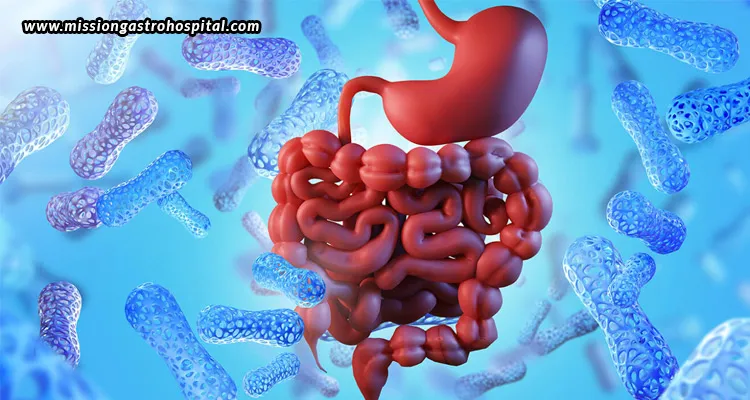
Digestive disorders have been affecting millions of people worldwide every year, ranging from common issues like acid reflux and constipation to chronic conditions like IBD and celiac disease. There are lots of doubts and misconceptions surrounding digestive disorders, which lead to misrecognition of symptoms early on and delayed treatment, or unnecessary anxiety. Separating fact from fiction is thus essential to be able to understand gut health, and make informed decisions about prevention, diagnosis, and symptom management. Let’s address some of the most common myths about digestive disorders in the blog below, clarifying the facts and providing practical guidance for maintaining digestive wellness.
Myth 1: Digestive disorders are common and come with age
Digestive disorders like constipation, heart burn, bloating, abdominal pain, stomach discomfort, indigestion, and irregular bowel movements are generally considered normal, and believed to be a normal part of ageing. However, digestive disorders, if infrequent, can be considered normal. But, any digestive disorder that is recurring or persistent, is certainly not normal. Moreover, getting digestive disorders with age is also not normal. Even children and young adults can suffer from digestive issues; and the major contributing factors can include poor diet, stress, wrong lifestyle habits, addictions, and certain medications. Early evaluation of your digestive issue can help identify the root cause of the problem, and thus ensure quicker and better treatment.
Myth 2: Digestive disorders are always caused by poor diet
Diet certainly plays an important role in not only digestive health, but the overall health of our body, but not all digestive disorders are diet-related. The reasons behind certain digestive issues may include stress, wrong lifestyle habits, addictions, and certain medications. In fact, digestive disorders could also involve genetic, immune, and neurological factors, or may also occur during pregnancy. When you experience recurring or persistent symptoms, approaching a medical practitioner can help identify the cause of your problem, and thus identify a favourable treatment plan.
Myth 3: Digestive disorders only affect the gut
Digestive disorders are generally considered only when they affect the stomach, liver, pancreas, small intestine, large intestine, rectum, and anus. However, digestive issues can also impact the other parts of the body that do not group under the digestive tract, such as the skin, the joints, and the overall body, leading to skin issues, joint pain, mood disturbances, fatigue, and anaemia. The gut plays a crucial role in immunity, metabolism, and mental health, which is why all these problems may occur when the digestive system is weak. Treating digestive disorders thus not only improves the digestive tract and digestion process, but also improves overall health.
Myth 4: Heartburn happens only due to spicy/oily food
It is generally believed that heartburn or acid reflux is caused due to consumption of spicy or oily foods. While it is true that spicy and oily foods may trigger heartburn and worsen symptoms, they being the sole reason for causing the issue is not true. Acid reflux is mainly caused due to the dysfunction of the lower oesophageal sphincter, which allows stomach acid to flow back into the oesophagus. This can be caused by a number of factors like obesity, stress, and certain medications. So, spicy and oily foods are not the sole reason. Consulting a professional medical practitioner when frequent heartburn occurs can help identify the exact cause of the problem, helping with the right treatment strategy.
Myth 5: Constipation is always caused due to lack of fibre
There is no doubt in the fact that a low-fibre diet can contribute to constipation, but it cannot be the only cause of the issue. Dehydration, hormonal changes, reduced physical activity, and certain medications can also slow down bowel movements. So, increasing fibre intake alone may not always resolve constipation. A comprehensive approach that includes a fibre-rich diet, adequate hydration, and regular physical activity is important. Also, getting yourself accessed by a medical practitioner if you suffer from regular constipation is important to identify the root cause of the problem and come up with the right treatment strategy.
Myth 6: Over-the-counter medications are safe and can help self-treat
There are a number of laxatives, antacids, and probiotics available that can offer relief from digestive disorders like constipation, diarrhoea, and heartburn, but the results are only temporary. Relying solely on such medications for self-treatment is not a good idea. Self-medication can mask underlying issues or may even lead to complications if done on a regular basis. Long-term or inappropriate use of such over-the-counter medications without any medical guidance can prove to be harmful. Frequent or persistent digestive issues require professional evaluation to identify the root cause and prevent progression. Only a qualified gastroenterologist can provide a precise diagnosis and personalized treatment plan, combining lifestyle modifications, dietary guidance, medications, or advanced procedures if needed.
Tips to promote good digestive health
To maintain a healthy digestive system, it is essential to follow a few basic strategies.
- Consuming a balanced diet: It is important to include fibre-rich diets into your everyday routine, such as whole grains, vegetables, fruits, and lean proteins.
- Having enough hydration: It is essential to have adequate water intake throughout the day to support digestion and prevent constipation.
- Engaging in physical activity: Regular exercise or any other physical activity promotes gut motility and reduces bloating.
- Staying away from any addictions: Being addicted to alcohol, tobacco, or any other such stuff can damage the gut lining and later microbial balance.
- Managing stress: It is crucial to stay away from stress by engaging in meditation, mindfulness, and adequate sleep to support gut-brain health.
- Getting regular check-ups: It is essential to go in for regular health check-ups every 6-12 months to check for any issues that may affect the digestive system.
Seeking professional guidance
While bloating, gas, acidity, constipation, and diarrhoea can be normal if the symptoms seldomly occur, any persistent or recurring digestive symptoms should never be ignored. When any symptoms are seen to come up frequently or if a particular symptom is not going anywhere for a long time, it is essential to approach a medical professional at the earliest. Timely consultation can help obtain accurate diagnosis and effective treatment. At Mission Gastro Hospital in Ahmedabad, recognized for having the best gastroenterologist, patients receive advanced diagnostic evaluations and personalized care plans. Their multidisciplinary approach ensures not only symptom management, but also education on preventive strategies, lifestyle interventions, and long-term gut health.
Digestive disorders are often misunderstood due to myths and misconceptions. Many symptoms are dismissed as normal or age-related, delaying proper diagnosis and treatment. Understanding the difference between myths and facts empowers patients to take control of their digestive health. With timely medical guidance, appropriate lifestyle modifications, and evidence-based treatments, most digestive conditions can be effectively managed. Dispelling common myths encourages individuals to seek care early, make informed health decisions, and address underlying causes. This proactive approach helps prevent complications, improves long-term digestive function, and significantly enhances overall quality of life.