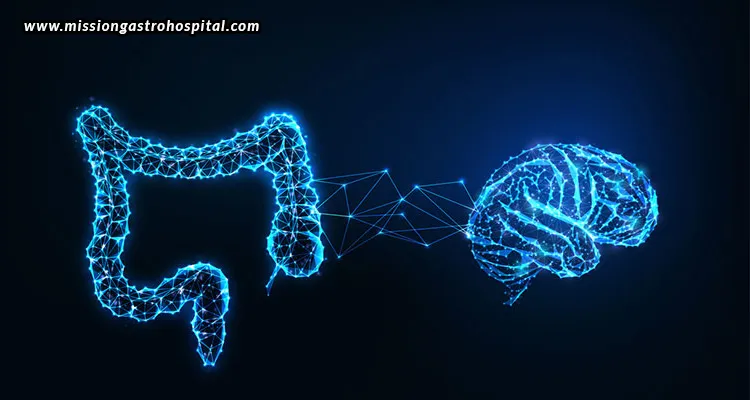
Did you know that your gut plays a major role in controlling your mood, emotions, and mental well-being? Often called the “second brain,” the gut contains trillions of bacteria that influence not only digestion but also how you feel every day. Research shows that a healthy gut can help reduce stress, anxiety, and mood swings, while poor gut health may contribute to fatigue, low mood, and mental discomfort.
The gut and brain are closely connected through what is known as the gut–brain axis. When your digestive system is healthy and balanced, it supports the production of important neurotransmitters like serotonin, which is responsible for happiness and emotional stability. In fact, nearly 90% of serotonin is produced in the gut.
At Mission Gastro Hospital, Ahmedabad, expert gastroenterology care focuses on improving gut health to support both digestive and overall well-being. Led by Dr. Chirag N Shah, one of the leading gastroenterologists in Gujarat, the hospital emphasizes advanced, transparent, and patient-centric care.
Gut Is Responsible for Your Mood – Here’s How
An unhealthy gut can lead to problems such as bloating, acidity, constipation, IBS, and inflammation. These issues can send stress signals to the brain, affecting sleep, concentration, and emotional balance. On the other hand, a healthy gut supports calmness, better energy levels, and emotional stability.
Here are 6 practical and doctor-recommended tips to keep your gut healthy and your mood positive.
1. Eat More Fiber-Rich Foods
Fiber is essential for good digestion and gut health. It feeds the good bacteria in your intestine, helping them grow and function properly. These bacteria play a key role in producing mood-regulating chemicals.
Include foods such as:
- Whole grains
- Fruits and vegetables
- Pulses and legumes
- Nuts and seeds
A fiber-rich diet improves digestion, prevents constipation, and supports a healthy gut microbiome, which directly benefits your mental health.
2. Add Probiotics to Your Diet
Probiotics are beneficial bacteria that help maintain balance in the gut. They reduce inflammation, improve digestion, and support mental well-being.
Natural probiotic sources include:
- Curd and yogurt
- Fermented foods
- Doctor-recommended probiotic supplements
Regular probiotic intake can help improve gut balance and support the production of serotonin, helping you feel calmer and more positive.
3. Stay Properly Hydrated
Water is often overlooked but is extremely important for gut health. Proper hydration helps digestion, supports intestinal lining, and prevents constipation.
Dehydration can slow digestion and disturb gut bacteria, which may indirectly affect your mood. Make sure to drink enough water throughout the day to keep your digestive system functioning smoothly.
4. Manage Stress Effectively
Stress has a direct impact on gut health. Long-term stress can lead to gut inflammation, acidity, IBS, and irregular bowel movements. It also disrupts the gut-brain connection, affecting emotional balance.
Simple stress-management practices include:
- Deep breathing exercises
- Meditation or mindfulness
- Yoga or light physical activity
Reducing stress helps restore gut balance and improves both digestive and mental health.
5. Prioritize Quality Sleep
Poor sleep can disturb the gut microbiome and increase inflammation in the body. This can lead to digestive issues and worsen mood disorders such as anxiety and irritability.
Aim for 7–9 hours of quality sleep every night. A consistent sleep schedule supports gut repair, hormone balance, and emotional stability.
6. Exercise Regularly
Physical activity benefits both gut health and mental health. Exercise increases the diversity of gut bacteria and boosts natural mood-enhancing hormones like serotonin and endorphins.
Even simple activities such as:
- Walking
- Stretching
- Yoga
can significantly improve digestion and emotional well-being when done regularly.
When to Consult a Gastroenterologist
If you frequently experience digestive symptoms such as bloating, acidity, constipation, loose motions, or stress-related gut issues, it is important to seek medical advice. Persistent gut problems can affect overall health and quality of life.
At Mission Gastro Hospital, patients receive advanced evaluation and treatment for a wide range of digestive and liver conditions. Established in 2019 in Satellite, Ahmedabad, the hospital is known for adopting the latest technologies in gastroenterology.
Dr. Chirag N Shah, Founder and Consultant Gastroenterologist, is associated with leading multispecialty hospitals across Gujarat and is known for pioneering advanced endoscopic procedures in the state. Patients from across Gujarat, Rajasthan, Madhya Pradesh, and even international locations trust Mission Gastro Hospital for expert care.
Conclusion
Your gut health plays a powerful role in shaping your mood, mental clarity, and overall well-being. Simple lifestyle changes—such as eating fiber-rich foods, managing stress, staying active, and getting good sleep—can significantly improve gut function and emotional health.
If digestive issues are affecting your daily life, early consultation with an experienced gastroenterologist can make a big difference. At Mission Gastro Hospital, Ahmedabad, expert care, advanced treatment options, and a patient-first approach help you achieve a healthier gut and a happier life.