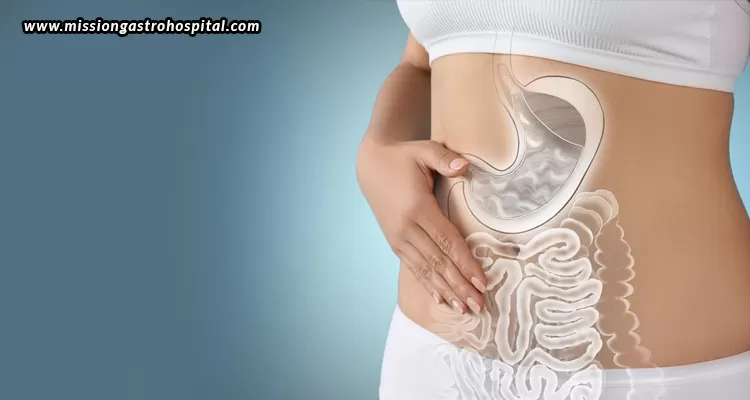
Digestive health is a subject that is frequently oversimplified – issues like bloating, acidity, and indigestion are often seen as minor annoyances. However, for women, the digestive system tends to operate under a somewhat different set of guidelines. Hormonal changes, pregnancy, lifestyle choices, and even the distinct composition of the female gut microbiome can complicate gastrointestinal health. While experiencing occasional stomach issues is normal, gaining insight into how a woman’s digestive system functions differently can aid in managing discomfort, preventing chronic problems, and promoting overall wellness. Let’s dive into the fascinating world of women’s gut health, examine the significant differences, and discover practical strategies for achieving optimal digestive health.
Digestive disorders that affect women more
Certain digestive issues are more prevalent in women than in men, and being aware of your risks can prompt early intervention.
- Irritable Bowel Syndrome (IBS) is found to be twice as common in women. Symptoms such as cramping, bloating, diarrhoea, and constipation often intensify around the menstrual cycle.
- Gallstones are more prevalent in women due to oestrogen’s influence on bile cholesterol levels, especially during pregnancy or when undergoing hormone therapy.
- Chronic constipation is also more common among women, frequently associated with slower gut transit and hormonal fluctuations.
- Autoimmune gut disorders like celiac disease and inflammatory bowel disease (IBD) also tend to affect women slightly more than men.
Even mild or recurring symptoms should not be overlooked, as digestive disorders in women often follow a hormonal pattern and can worsen if not properly managed.
Pregnancy and digestive changes
Pregnancy alters the digestive system in both intriguing and challenging ways. Hormonal changes, along with the physical pressure from a growing baby, frequently result in nausea, constipation, and acid reflux. Morning sickness during the first trimester is caused by elevated levels of HCG and oestrogen. In the second and third trimesters, progesterone relaxes the muscles of the gut, which slows down digestion and can lead to constipation and bloating. As the uterus grows, acid reflux and heartburn often occur due to the stomach being pushed upwards. Making simple changes such as eating small, frequent meals, incorporating gentle fibre, and maintaining hydration can significantly enhance digestive comfort throughout pregnancy.
The female gut microbiome
Your gut hosts trillions of microbes that influence digestion, immunity, and even mood. In women, this gut microbiome is intricately connected to hormonal health. Certain gut bacteria have the ability to metabolize oestrogen, affecting conditions such as PCOS or endometriosis. Throughout pregnancy, the microbiome naturally adapts to support the developing foetus. Furthermore, women are more prone to stress-related gut issues, which can disturb the fragile microbial balance. Nurturing your gut microbiome with a diet rich in fibre, diverse plant foods, and occasional fermented items like yogurt, kefir, or sauerkraut can aid in maintaining smooth digestion and robust immunity.
The hormone-gut connection
One of the most significant factors affecting a woman’s digestive system is hormonal changes. The primary female hormones, oestrogen and progesterone, can influence gut motility and patterns of bloating. For example, many women experience constipation prior to their menstrual period due to progesterone’s effect of slowing digestion. Once menstruation starts and hormone levels decrease, some women may notice looser stools or heightened cramping. During perimenopause and menopause, varying hormone levels can result in acid reflux, bloating, and irregular bowel movements
Pro tip: Maintaining a symptom diary alongside your menstrual cycle can assist in recognizing patterns and managing discomfort more effectively.
Lifestyle habits that impact women’s digestion
Beyond biological factors, everyday lifestyle decisions can significantly affect digestive health. Women frequently balance numerous responsibilities, which may result in irregular meal times, heightened stress, and inadequate hydration, all of which can influence gut function.
- Diet and eating patterns: Engaging in crash diets, skipping meals, or consuming too many processed foods can lead to bloating and hinder digestion.
- Dehydration: Insufficient water intake can exacerbate constipation.
- Stress and mental well-being: Women tend to be more attuned to the gut-brain connection, meaning that stress can directly provoke digestive issues.
- Physical activity: Even moderate exercise such as walking or practicing yoga can enhance gut motility and alleviate bloating.
Practical suggestions to support women’s digestive health
You don’t require a complex strategy to keep your gut healthy. Concentrate on a few manageable habits that align with your lifestyle:
- Consume a diet rich in fibre and focused on plants to promote regular bowel movements.
- Incorporate probiotic and prebiotic foods to bolster your gut microbiome.
- Ensure you stay adequately hydrated throughout the day.
- Manage stress through mindfulness practices, yoga, or brief relaxation periods.
- Monitor digestive symptoms in relation to your menstrual cycle for improved understanding.
When to consult a gastroenterologist
While mild digestive discomfort may resolve on its own, ongoing or severe symptoms necessitate a professional assessment. You should seek the expertise of a gastroenterologist if you experience –
- Persistent bloating, constipation, or diarrhoea
- Intense abdominal pain or cramping
- Presence of blood in stools or black, tarry stools
- Unexplained weight loss or fatigue
For women experiencing cyclical symptoms, fertility treatments, or pregnancy-related concerns, specialized gastroenterological care is crucial.
At Mission Gastro Hospital, which boasts the best gastro doctor Ahmedabad, the physicians utilize advanced diagnostic tools such as endoscopy, gut microbiome analysis, and imaging techniques to pinpoint the underlying cause. Tailored treatment plans may involve dietary modifications, probiotics, medications, or lifestyle changes aimed at achieving long-term relief.
In conclusion, women’s digestive health is influenced by hormonal fluctuations, lifestyle choices, and distinct microbiome characteristics. Recognizing these variations enables women to make informed dietary and lifestyle decisions, which can help avert chronic gut problems. If your digestive issues continue despite maintaining healthy habits, do not overlook them; consulting a qualified gastroenterologist ensures that any underlying conditions are detected early and managed effectively. With appropriate medical advice, nutrition, and self-care, attaining optimal digestive health is entirely achievable.