Gallstones and bile duct obstructions are prevalent causes of significant abdominal discomfort, jaundice, and digestive issues. While many minor gallbladder conditions can be treated with medication or surgical procedures, some instances necessitate advanced endoscopic techniques. This is where ERCP becomes crucial, enabling physicians to diagnose and treat blockages in the bile ducts without resorting to major surgical interventions. Let’s understand how ERCP addresses gallstones and bile duct obstructions in the blog below.
Causes and complications
Gallstones are hardened deposits of digestive fluid in the gallbladder, which can range in size from tiny particles to large stones. These stones typically arise from imbalances in bile constituents like cholesterol and bilirubin. When these gallstones become larger, they may obstruct normal bile flow and result in severe pain, nausea, vomiting, or fever. When these obstructions hinder bile from reaching the small intestine, they can lead to accumulation in the liver, causing symptoms like jaundice, dark urine, ale stools, and intense upper abdominal pain. If not addresses, this obstruction can lead to serious complications like infection of the bile ducts or inflammation of the pancreas, necessitating immediate medical intervention.
How ERCP can help
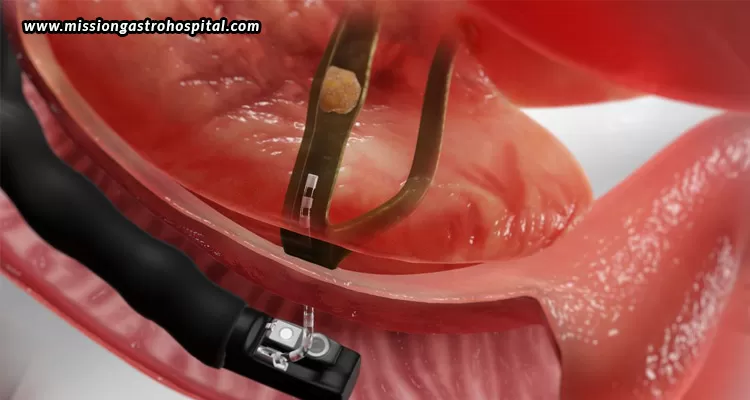
ERCP is a diagnostic tool as well as a therapeutic procedure that enables physicians to take immediate action once a problem is detected. It detects the obstruction, extracts gallstones from the bile duct, and then involves a stent placement to restore bile flow.
- Detecting the obstruction – ERCP begins with detecting the obstruction, which can be done by injecting a contrast dye into the bile and pancreatic ducts, after which X-ray imaging can help the physician to precisely identify and evaluate the size of the blockage caused by gallstones, strictures, or tumours. This identification helps decide the most suitable approach.
- Extracting gallstones from the bile duct – Specialized tools are then maneuvered through the endoscope to extract the gallstones. A sphincterotomy is first conducted to make a small incision at the sphincter of Oddi — the muscle that regulates bile flow — to enlarge the duct’s opening. The stones are then removed using baskets or balloons, after which the duct is rinsed with saline or contrast dye to ensure it is entirely clear.
- Stent placement – If the bile duct is narrowed or compressed, a small tube made of plastic or metal is inserted to maintain its openness. This stent placement ensures continuous bile drainage, helps prevent recurring infections, and helps treat jaundice and other symptoms.
Who needs ERCP?
ERCP is typically advised when imaging tests like CT scan and ultrasound reveal blockages or abnormalities in the bile or pancreatic ducts. ERCP can also be required to manage bile leakage after gallbladder surgery, address pancreatic duct stones or strictures, and evaluate suspected tumours in the bile duct or pancreas. By combining diagnostic imaging with therapeutic intervention, ERCP allows doctors to identify and immediately address obstructions, remove stones, or place stents to restore bile flow. This dual functionality makes ERCP a crucial, minimally invasive procedure for effectively managing complex biliary and pancreatic conditions. At specialized centres like Mission Gastro Hospital, experienced gastroenterologists perform ERCP in Ahmedabad using advanced equipment, ensuring accurate diagnosis and effective treatment of gallstones and bile duct blockages. With a patient-centric approach and comprehensive post-procedure care, the hospital helps achieve optimal outcomes safely and efficiently.
Potential risks associated with ERCP
ERCP is generally a safe procedure; however, it may come with certain minor risks for some patients. The risks may include inflammation of the pancreas, bleeding or perforation of the duodenum or bile duct, infections, and allergic reactions to the contrast dye or sedation. However, all these risks are temporary and can be treated by the physician. Moreover, advancements in ERCP techniques and the skills of experienced specialists have significantly reduced these risks. Hospitals also perform pre- and post-procedure monitoring to identify and address any complications, ensuring patient safety throughout the entire process.
Advantages of ERCP over traditional surgery
ERCP has numerous benefits over traditional surgery, as it is minimally invasive and conducted endoscopically. Moreover, recovery from ERCP is quick, requiring only a few hours of procedure and quick discharge, unlike surgery which involves 2-5 days of hospital stay for recovery, and after that, weeks of recovery. ERCP also brings minimal pain and discomfort, as compared to surgery that entails moderate to severe pain. Last but not the least, ERCP can diagnose and treat issues in a single session, unlike surgery that often requires separate diagnostic and therapeutic procedures. Considering all of this, ERCP is considered as one of the most effective and patient-friendly procedures in modern gastroenterology.
When surgery may still be needed
Although ERCP is much better than surgery, there could be instances where ERCP alone may not adequately resolve biliary problems. In certain cases, a situation may arise when there are large or multiple stones that cannot be removed endoscopically, and requires surgical removal. In such cases, ERCP acts as a supplementary procedure, conducted either before or after the surgery to ensure that the bile ducts are entirely clear, and to enhance overall treatment results.
Life after ERCP
ERCP generally brings much relief and helps avert future complications when paired with appropriate lifestyle management. Adopting a healthy diet by reducing the intake of fatty and processed food promotes optimal bile flow. Adequate hydration is also necessary to support digestion and liver function. Engaging in regular physical activity is also essential to help maintain healthy cholesterol levels and body weight, which further enhances digestive health. Along with the medications prescribed by the physician, it is also essential to attend scheduled follow-ups for stent assessment or removal. With proper care and oversight, patients can return to normal activities within only a da or two, and can experience an improved quality of life, free from recurring bile duct obstructions and gallstones.
As you can see, ERCP is one of the most advanced and effective procedures in gastroenterology, facilitating both diagnosis and immediate treatment for issues like gallstones and bile duct obstruction. By merging precise imaging with minimally invasive techniques, it helps restore natural bile flow, alleviating pain and preventing severe complications, generally within only a single session. However, proper care is necessary following the procedure. For patients facing symptoms like jaundice, unexplained abdominal discomfort, or digestive issues, prompt consultation with a qualified gastroenterologist is crucial. With appropriate expertise, an ERCP professional can provide a safe, reliable, and enduring solution for the restoration of digestive and liver health.