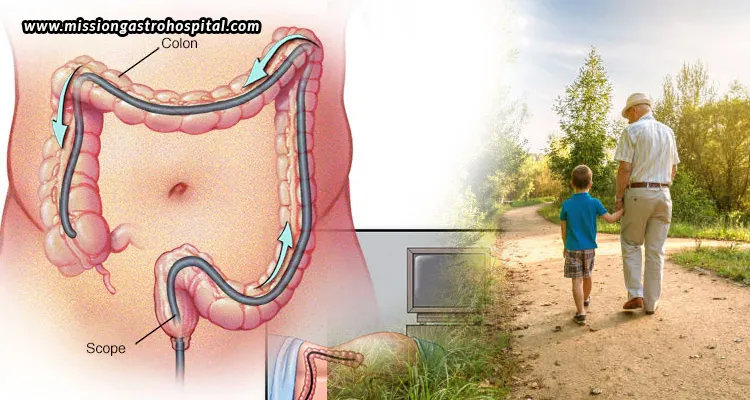
A colonoscopy is a commonly conducted and highly effective procedure designed to inspect the inner lining of the colon and rectum. It is essential for identifying polyps, diagnosing gastrointestinal issues, and preventing colorectal cancer. But what many patients are anxious about is: “What should I expect during recovery after a colonoscopy?”. Knowing what to expect can reduce anxiety and promote safe, comfortable healing. While much of the conversation centers around preparation and the procedure itself, the recovery phase following a colonoscopy is just as vital for patient reassurance and appropriate aftercare. This blog outlines what normal recovery looks like, covering aspects like diet, bowel changes, activity levels, and important warning signs to monitor.
Immediately after the procedure
After the colonoscopy is completed, patients are moved to a recovery area where they are monitored until the effects of sedation wear off, ensuring safe and continuous observation during the early recovery period. This is when the patient may experience drowsiness, grogginess, mild bloating, gas, abdominal cramping, and dry mouth. This is due to the lingering sedative medications administered during the procedure, which gradually wear off naturally. These effects are completely normal and harmless, and typically resolve within a few hours, in most patients without medical intervention and no treatment, as the sedative used during a colonoscopy is safe and well-tolerated.
Diet after colonoscopy
One of the most common concerns patients have is – when and what to eat after a colonoscopy.
- The first few hours after the procedure, when the patient is fully awake and alert, they can begin with clear fluids like water, coconut water, and clear broth.
- Later during the day, patients can slowly return to their normal diet, provided it is light, not oily, and not spicy. But, the food taken must be in small proportions.
- Recommended foods include rice-based meals, soft-cooked vegetables, light fruits, toast, crackers, and yogurt or curd. Spicy and oily foods, heavy-to-digest meals, alcohol, and carbonated beverages are strictly prohibited.
Slowly and gradually, one can return to their normal diet, monitoring the symptoms after each meal, and acting accordingly.
Bowel movements after colonoscopy
Bowel patterns may temporarily change after a colonoscopy, and this is completely normal. One may experience no bowel movements for the first 24-48 hours; so this shouldn’t be alarming or frustrating, as the bowel may still be clearing residual air and the effects of bowel preparation. Once the bowel movement starts, the patient may notice mild irregularity at first, and also slight changes in their stool consistency, which is often due to temporary irritation of the intestinal lining and dietary adjustment after fasting. Minor blood streaks are also normal for a short period, especially if polyps were removed. Most patients return to their regular bowel routine within 2-3 days, depending on their diet and hydration practices.
Activity and daily routine after colonoscopy
Sedation affects reaction time and coordination for several hours after the procedure, which makes it very essential to get enough rest on the day of the operation, as the body needs time to fully clear the sedative medications from the system. There must be no driving, no working, no stress, and no signatures, since judgment and reflexes may remain temporarily impaired even if the patient feels alert. Patients can generally resume work and light physical activity the next day, if they feel better. If you are a workout person, you must quit workouts for at least the first 2-3 days, or as advised by your doctor.
Emotional and mental recovery after colonoscopy
It is normal for patients to feel anxiety while waiting for their results. Doctors usually reassure patients immediately after the procedure and provide clear instructions for next steps, including preliminary observations made during the colonoscopy and guidance on when detailed biopsy results, if taken, will be available, along with explaining whether any polyps were removed or if anything unusual was noted during the examination. In most cases, patients are also advised to avoid overthinking or self-diagnosing during this waiting period, as many findings turn out to be benign and routine follow-up is sufficient.
Hydration and recovery support
Hydration plays an important role in restoring normal bowel function after colonoscopy, as the bowel preparation used before the procedure can temporarily leave the body mildly dehydrated. Drinking water regularly throughout the day is highly recommended after the procedure, along with other clear fluids as tolerated, to gently support the digestive system. Proper hydration can help restore bowel regularity, while reducing bloating. It can also improve energy levels and support overall digestive recovery, by helping the intestines function smoothly and easing the passage of gas and stool during the initial recovery phase.
Follow-up after colonoscopy
Recovery involves understanding the results and next steps to be taken. If the results are normal, you should be fine, and expect your next colonoscopy in the next 5-10 years, depending on the risk level. If polyps are found, follow-up intervals may be shortened for additional monitoring. If biopsies are taken, results typically return within a few days, so it is important to stay in touch with your doctor, follow all advised instructions, and attend scheduled follow-up appointments for proper evaluation and continued digestive health care. Patients should also report any persistent pain, bleeding, or unusual symptoms promptly to ensure timely medical attention.
Common post-colonoscopy symptoms
Mild symptoms after colonoscopy are normal and usually resolve quickly. Bliating and gas are common, caused by air introduced during the procedure. Simple walking can help relive discomfort. Temporary cramping may also occur, which will typically resolve within hours. You may also feel fatigued, so you need enough rest. While all these symptoms are normal, you must understand that you need to get in touch with your doctor immediately if you experience:
- Severe or persistent abdominal pain
- Heavy rectal bleeding or clots
- Fever or chills
- Persistent dizziness or weakness
- Vomiting or inability to eat
These symptoms are uncommon, but if experienced, should not be ignored. Get in touch with the doctor and follow all the advice given, ad proper recovery ensures fewer complications and faster return to normal life. Following medical advice after colonoscopy is just as important as the procedure itself.
Life after a colonoscopy is generally simple, quick, and uneventful for most patients. Mild bloating, temporary fatigue, and slight bowel changes are expected and resolve within a short period. With proper rest, hydration, and gradual return to normal diet and activities, recovery is smooth and predictable. What truly matters is not just recovery, but long-term digestive health monitoring. Colonoscopy is a preventive tool, and its value lies in early detection and ongoing care. For patients seeking expert guidance, accurate diagnosis, and safe procedures, consulting experienced specialists ensures peace of mind and better health outcomes. Trusted gastroenterology centers such as Mission Gastro Hospital, known for the best colonoscopy doctors in Ahmedabad, provide comprehensive care – from procedure to recovery – ensuring patients feel supported at every stage of their journey toward better colon health.