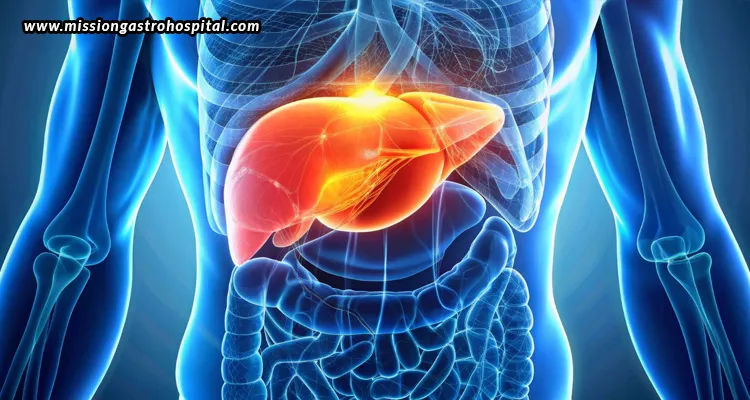
Reaching the milestone of 40 often prompts a reassessment of health and lifestyle decisions. Although regular health check-ups are vital at any age, the liver – an essential organ tasked with detoxification, metabolism, and energy management – frequently gets overlooked until issues arise. For individuals over 40, subtle shifts in liver function can occur silently, which may often go unnoticed. This makes preventive screenings and lifestyle adjustments crucial. This blog delves into the warning signs to be aware of, and the actions you can take to preserve liver health as you transition into middle age by opting for important tests that can check on your liver health before issues become apparent.
Why liver health matters after 40
As we grow older, our liver experiences gradual physiological changes that can affect its efficiency and overall health. Its ability to regenerate may diminish, rendering it more susceptible to fatty deposits, stress from medications, and environmental toxins. Lifestyle elements such as diet, alcohol intake, and physical activity also accumulate their effects over the years. Post-40, liver-related ailments like non-alcoholic fatty liver disease (NAFLD), hepatitis, and cirrhosis become increasingly prevalent, even among those who have never faced significant liver problems previously. Often, these conditions are asymptomatic in their initial stages, highlighting the importance of routine screenings, early detection, and proactive lifestyle modifications to support liver health and prevent long-term complications.
Symptoms that prompt immediate liver assessment
Although many liver issues may not present noticeable symptoms, individuals over 40 should be vigilant for specific indicators, such as –
- Ongoing fatigue or weakness
- Unexplained fluctuations in weight
- Discomfort or bloating in the abdomen, especially in the upper right area
- Yellowing of the skin or eyes
- Dark-coloured urine or light-coloured stools
- Itchy skin or swelling in the legs and ankles
Recognizing these symptoms does not necessarily mean there is a serious liver condition, but prompt assessment by a liver specialist can help prevent further complications and ensure the right treatment.
Choosing the right liver specialist
Choosing a qualified liver specialist after the age of 40 is crucial to ensure that subtle symptoms are not missed and that preventive care is tailored to individual needs. For instance, the Mission Gastro Hospital is a prestigious liver hospital in Ahmedabad that offers extensive liver care with advanced diagnostics, imaging, genetic counselling, and professional advice on lifestyle modifications. Their team of experienced specialists also provides guidance on nutrition, exercise, and risk factor management, ensuring a holistic approach to liver wellness. By consulting such a professional liver specialist, adults can take proactive steps to monitor their liver health, address early changes, and prevent complications like cirrhosis or liver failure.
Important liver screenings for adults over 40
- Liver Function Tests (LFTs)
Liver Function Tests are blood analyses that evaluate enzyme, protein, and bilirubin levels to determine liver health. They serve as early warning signs for inflammation, fatty liver alterations, or liver cell injury. For individuals over 40, undergoing LFTs annually or biannually can aid in identifying problems prior to the onset of symptoms. Elevated liver enzymes may indicate non-alcoholic fatty liver disease (NAFLD), viral infections, or stress on the liver due to medications.
- Ultrasound Imaging
An abdominal ultrasound is a non-invasive method to visualize the liver, identify fatty changes, cysts, or tumours, and evaluate the overall size and texture of the liver. When LFTs are combined with ultrasound imaging, it provides a more comprehensive assessment, particularly for those with metabolic risk factors such as obesity, diabetes, or elevated cholesterol levels.
- FibroScan and Elastography
For those at an increased risk of fibrosis or cirrhosis, advanced imaging techniques like FibroScan can measure liver stiffness, offering insights into scarring before it becomes critical. This is especially important for individuals with persistent liver enzyme elevation, chronic hepatitis, or risks associated with alcohol consumption.
- Screening for Viral Hepatitis
Hepatitis B and C can often be asymptomatic for many years but may result in significant liver damage if not identified. Adults over 40 should consult with their healthcare provider about screening for viral hepatitis, particularly if they have risk factors such as previous blood transfusions, tattoos, or high-risk exposures.
Lifestyle modifications to enhance liver health
Health screenings yield the best results when combined with good lifestyle habits. Individuals aged 40 and above can take various proactive measures to safeguard liver function by –
- Following a nutritious diet: A diet abundant in vegetables, fruits, whole grains, lean proteins, and healthy fats aids in liver detoxification and metabolism. It is advisable to steer clear of excessive refined carbohydrates, fried foods, sugary beverages, and processed snacks, as these can lead to fatty liver and insulin resistance.
- Engaging in regular physical activity: Engaging in moderate exercise, such as brisk walking, swimming, or yoga for a minimum of 30 minutes daily, helps decrease liver fat, enhances insulin sensitivity, and promotes cardiovascular health.
- Limiting alcohol intake: Alcohol significantly contributes to liver damage. After the age of 40, even moderate alcohol consumption can have a cumulative impact. Adhering to recommended guidelines or completely abstaining can greatly lower risk.
- Managing medications and supplements wisely: Certain prescription medications, over-the-counter pain relievers, and herbal supplements can put stress on the liver. It is essential to consult a healthcare professional regarding safe dosages and possible interactions.
- Emphasizing sleep and stress management: Sufficient sleep and effective stress management are associated with improved metabolic health and liver function. Techniques such as mindfulness, meditation, and maintaining consistent sleep patterns can indirectly aid liver detoxification processes.
Special considerations
As we reach middle age, liver health can be affected by gender-specific factors such as hormonal changes, metabolic tendencies, and lifestyle habits. Recognizing these differences allows for more effective tailoring of preventive care and screenings.
- For men
Men frequently encounter a greater risk of alcohol-related liver problems and metabolic syndrome. The accumulation of visceral fat around the abdomen can increase liver fat and provoke inflammation. Consistent monitoring of liver enzymes, imaging for fatty liver, and healthy lifestyle changes are important in the case of men to mitigate long-term liver risks.
- For women
For women, hormonal shifts during perimenopause and menopause can impact liver function and metabolism. Variations in oestrogen levels may affect fat distribution and insulin resistance, heightening the risk of non-alcoholic fatty liver disease (NAFLD). It is thus essential for women to focus on weight management and undergo regular liver screenings, particularly if they have a history of gestational diabetes, polycystic ovarian syndrome (PCOS), or other metabolic issues.
The middle-aged years offer a prime chance to implement a proactive approach to liver health maintenance. As the liver’s ability to regenerate gradually diminishes and the impact of lifestyle factors accumulates, it becomes vital to closely monitor its function. By incorporating regular screenings with a balanced diet, consistent exercise, and effective stress management, individuals can maintain optimal liver function and lower the risk of silent liver disease. Staying informed, having timely assessments, and consulting with a knowledgeable liver specialist are essential measures for preventing complications and promoting long-term health and wellness.