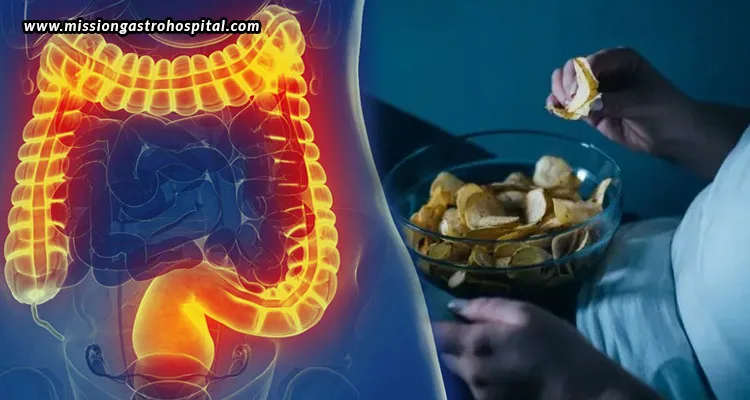
Picture this: you wake up, have breakfast, go to work, spend eight hours at your desk, drive back home, unwind on the couch, and then go to bed. This has become a standard routine for most of us today. And, this is what has reduced our physical activity throughout the day, which is the primary reason for causing issues like gas, bloating, acidity, and weight gain. If you’ve ever felt bloated after a long workday, dealt with constipation during hectic times, or experienced sluggishness after hours of sitting, your body might be signalling something important. The digestive system relies on movement, and a sedentary lifestyle can disrupt its efficiency. The good news? Understanding the relationship between inactivity and digestive health is the first step towards protecting your gut and enhancing your overall health.
Your digestive system is built for movement
The human body is designed for movement. For millennia, everyday life included walking, lifting, farming, hunting, and engaging in physically strenuous activities. In contrast, many of these tasks have now been supplanted by screens, chairs, and convenience. Although your digestive system functions automatically, it does not work in isolation. Digestion relies on synchronized muscle movements that transport food through the gastrointestinal tract. This mechanism, referred to as peristalsis, aids in moving food from the stomach into the intestines and ultimately out of the body. Regular physical activity inherently supports these movements. When you are active, blood flow increases, muscles are activated, and the digestive system receives cues that promote healthy bowel function. Conversely, prolonged inactivity can slow digestion, resulting in various uncomfortable symptoms. In summary, movement is essential for maintaining the activity of your digestive system as well.
The hidden cost of sitting all day
Health professionals are increasingly acknowledging that extended periods of sitting can pose health risks, even for those who engage in regular exercise. While a daily workout is beneficial, it may not completely offset the effects of spending most of the day inactive. Consider how much time you typically spend sitting throughout the day working at a computer, driving, commuting, watching television, reading, studying, and scrolling on the smartphone. Over time, this lack of movement can affect various bodily functions, including digestion. The digestive system relies on regular movement to help food and waste travel efficiently through the gastrointestinal tract. When physical activity is limited, digestive processes may slow down, potentially leading to issues such as bloating, constipation, and general discomfort. Most working professionals spend their day seated, which affects their digestive system significantly.
How sedentary lifestyle affects digestion
The relation between inactivity and digestive health is more profound than most would understand.
- Reduced movement in the digestive system
A major effect of extended inactivity is reduced intestinal motility, thus slowing down the movement of food and waste through the digestive system. Engaging in regular physical activity promotes these movements, while prolonged sitting can slow them down. When digestion is sluggish, food lingers in the digestive tract longer than necessary, often leading to bloating, abdominal discomfort, gas, and a sensation of heaviness.
- Constipation
Constipation is among the most commonly reported digestive problems for those leading sedentary lifestyles. When the colon fails to move waste effectively, stools can become harder and more challenging to pass. This may result in infrequent bowel movements, straining, abdominal pain, and a feeling of incomplete evacuation. Physical activity serves as a natural stimulant for the intestines. Even a simple daily walk can significantly aid in maintaining regular bowel movements.
- Bloating and gas
Bloating can lead to feelings of discomfort, sluggishness, and at times, self-consciousness. When you remain seated for extended periods, digestive gases may traverse the intestines more slowly. Coupled with slower digestion, this can exacerbate abdominal swelling and discomfort. Many office workers are well-acquainted with the experience of feeling considerably more bloated by the end of the workday compared to the morning. While dietary factors certainly influence this, inactivity can be just as significant a factor.
- Acid reflux
Acid reflux occurs when the contents of the stomach flow back into the oesophagus, leading to symptoms such as heartburn and burning sensation in the chest. While specific foods can trigger reflux, lifestyle choices are also significant. Remaining seated for extended periods, particularly after consuming large meals, can elevate abdominal pressure and exacerbate reflux symptoms. Poor posture can further worsen the situation. On the other hand, simply taking a brief walk after meals can reduce the chances of experiencing discomfort after eating.
- Weight gain
A sedentary lifestyle can also contribute to gradual weight gain, which may create additional digestive challenges. Excess body weight is associated with a higher risk of GERD, fatty liver disease, gallbladder disorders, and digestive discomfort. This doesn’t mean that everyone who sits for long periods will develop these conditions. However, regular movement supports both metabolic and digestive health, making it easier to maintain overall wellness.
Warning signs that your lifestyle may be affecting your gut
The digestive system often provides clues when something isn’t quite right. Some common signs include:
- Frequent constipation
- Persistent bloating
- Excessive gas
- Sluggish digestion
- Recurring heartburn
- Feeling overly full after meals
- Irregular bowel movements
- Abdominal discomfort
These symptoms don’t always indicate a serious medical condition, but they can signal that lifestyle changes may be needed.
Small changes that can make a big difference
The thought of becoming more active can feel overwhelming, especially for people with demanding schedules. Fortunately, supporting digestive health doesn’t require intense workouts or dramatic lifestyle changes.
- Walk more often
Walking remains one of the best activities for digestive health. A short walk can stimulate intestinal movement and improve circulation, resulting in regular bowel habits and reduced bloating and discomfort. Even ten minutes of walking after meals can make a noticeable difference.
- Break up sitting time
Research increasingly suggests that breaking up prolonged sitting is beneficial. You can try taking breaks in between and stretching between tasks, taking brief walks, and walking up and down the stairs a few times. Your digestive system can benefit from even such small movements throughout the day.
- Stay hydrated
Water is essential for healthy digestion. Proper hydration helps support nutrient absorption and maintain bowel regularity. A sedentary lifestyle combined with inadequate water intake can significantly increase the likelihood of constipation.
- Prioritize fibre
Fibre acts like a natural helper for the digestive tract. Foods rich in fibre include fruits, vegetables, whole grains, legumes, and nuts and seeds. When combined with adequate hydration and physical activity, fibre supports healthy digestion and bowel function.
Do you need medical advice?
Lifestyle changes can improve many digestive symptoms, but some situations require professional evaluation. Consider consulting a healthcare professional if you experience:
- Persistent digestive symptoms lasting several weeks
- Severe abdominal pain
- Difficulty swallowing
- Unexplained weight loss
- Blood in the stool
- Ongoing constipation or diarrhoea
- Frequent acid reflux
Early diagnosis can help identify underlying gastrointestinal conditions and prevent complications. If you experience any of the above more often, you can always approach Mission Gastro Hospital where you will be offered specialized evaluation and treatment for a wide range of gastrointestinal disorders. A professional gastroenterologist here will help determine whether your symptoms are related to lifestyle factors or an underlying digestive condition requiring medical attention.
The connection between physical activity and digestion is more significant than one may consider. From helping with bowel regularity and alleviating bloating to assisting in the management of acid reflux and enhancing overall gut function, exercise is vital for digestive health. The good news is that you don’t have to become a fitness fanatic to benefit your gut. Simple, consistent actions like walking, reducing sitting time, staying well-hydrated, and adhering to nutritious eating habits can yield substantial benefits over time. Your digestive system diligently works each day to keep your body nourished and healthy. Providing it with the necessary support through regular physical activity may be one of the easiest and most effective investments you can make for your long-term health.