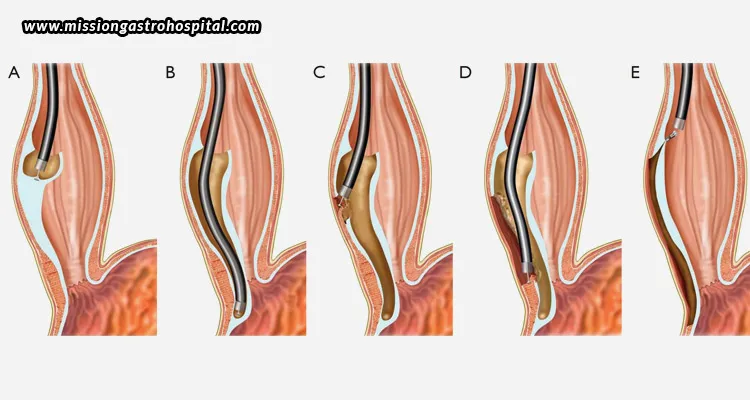
The POEM procedure has transformed the management of oesophageal motility disorders, especially achalasia, by providing a less invasive option compared to traditional surgery. The procedure has shown a high success rate and positive results in managing the conditions; however, it is important to recognize that, like any medical procedure, this procedure also involves certain risks and possible complications. Being aware of these risks enables patients to make well-informed choices and take proactive measures to facilitate a smooth recovery. This blog offers a detailed examination of the risks and complications related to POEM, along with considerations for patients, while highlighting the significance of selecting experienced hospitals and specialists to achieve the best possible outcomes.
Common risks associated with POEM
POEM, although typically a safe procedure, may carry certain risks and potential side effects; the most frequently noted risks including –
- Perforation or leaks
There is a possibility of unintentional perforation of the oesophageal wall during the procedure. Although endoscopic methods aim to reduce this risk, rare instances can result in the leakage of digestive fluids into adjacent tissues. Surgeons usually conduct a contrast study after the procedure to check for any leaks, and take measures to treat the same, depending upon the amount of leakage.
- Bleeding
Minor bleeding is a common occurrence in any endoscopic procedure. It can be easily managed immediately during the surgery with the help of endoscopic instruments. However, if the bleeding is severe, it may necessitate further medical intervention. This is why individuals taking blood-thinning medications should notify their physician before undergoing POEM, as modifications in such cases may be required to mitigate bleeding risks.
- Infection
Although the likelihood of infection is minimal, but is possible at the incision site within the oesophagus. Symptoms may include fever, discomfort in the chest, or trouble swallowing. Patients are generally advised to follow prescribed antibiotic regimens and attend follow-up appointments to check for any such infections. It can be wise to talk to your provider beforehand about the sterilization and post-operative care measures they take to reduce the risk of infection.
- Reflux or heartburn
GERD or heartburn may arise following POEM due to the potential weakening of the lower oesophageal sphincter after the procedure. Symptoms can manifest as heartburn, acid reflux, or discomfort after eating. Adjustments in diet, medications, and occasionally further procedures can help manage reflux.
- Incomplete symptom relief
In certain patients, POEM might not completely alleviate achalasia symptoms, necessitating additional treatment. This may stem from the intricate nature of the oesophageal condition or inadequate myotomy length. Conducting pre-operative evaluations, such as high-resolution manometry and endoscopic assessments, helps surgeons in strategizing the procedure for optimal results.
Less common but serious complications
While uncommon, it is crucial for patients to be informed about more severe complications just in case.
- Mediastinitis: If a perforation remains unnoticed, infection can extend to the mediastinum, the area between the lungs, causing mediastinitis – a critical condition that demands prompt medical intervention.
- Pneumothorax or Pneumomediastinum: Air may escape into the chest cavity during the procedure, potentially leading to shortness of breath or chest discomfort. Although often self-resolving, severe instances might require treatment.
- Delayed bleeding: In rare cases, bleeding can occur after the patient has been released. Sudden vomiting of blood, along with dizziness or abdominal pain, necessitates immediate medical care.
- Oesophageal stricture: The formation of scar tissue may result in the narrowing of the oesophagus, leading to swallowing difficulties. This condition is typically manageable through endoscopic dilations.
How to minimize the risks involved
Proper preparation and careful follow-up are crucial for achieving the best outcomes with POEM procedures and reducing the chances of possible risks.
- Choose an experienced medical centre: Selecting a medical facility with extensive experience in POEM procedures, equipped with high-volume procedural expertise and dedicated gastroenterology teams, like Mission Gastro Hospital, ensures better results and recovery for patients seeking POEM treatment in Ahmedabad.
- Pre-procedure assessment: It is essential to complete all recommended pre-procedure evaluations, including manometry, endoscopy, and imaging studies, to accurately assess oesophageal function and ensure the POEM procedure can be performed safely and effectively.
- Medication oversight: Strictly follow your physician’s guidance regarding all medications, including blood thinners and other prescriptions, to minimize procedural risks, prevent complications, and ensure smooth recovery during and after the POEM procedure.
- Adhere to dietary recommendations: Following pre- and post-procedure dietary instructions is critical, as it helps reduce stress on the oesophagus, promotes healing, and supports faster, safer recovery following a successful POEM procedure.
- Participate in follow-up visits: Consistent scheduled follow-up appointments allow the healthcare team to monitor healing, identify complications early, and provide timely interventions, ensuring long-term success and optimal recovery after the POEM procedure.
Benefits of POEM
Despite the risks involved, what is important is to understand is that POEM has emerged as a favoured treatment for oesophageal motility disorders, bringing on benefits of symptom relief with minimal interference in everyday routines.
- Minimally invasive technique
In contrast to traditional surgery, POEM is conducted endoscopically, avoiding any external incisions. This approach minimizes post-operative discomfort, reduces the risk of infections, and prevents visible scarring.
- Shorter hospitalization
Patients who undergo POEM typically have shorter hospital stays, which not only reduces healthcare expenses, but also allows them to return to their daily activities and normal routine more quickly.
- Quicker recovery period
Due to its minimally invasive nature, patients generally recover more swiftly than they would after open or laparoscopic surgery. Most individuals can return to their daily activities within a few weeks, as opposed to the months required for traditional surgical methods.
- Applicability to various disorders
POEM is not restricted to treating achalasia; it can also effectively address other oesophageal motility disorders, including diffuse oesophageal spasm or jackhammer oesophagus, providing a customized solution for a broader spectrum of conditions.
- Fewer long-term complications
When performed at skilled centres, POEM has demonstrated a lower incidence of long-term complications compared to traditional surgical methods like Heller myotomy.
- High success rate
Research and patient feedback consistently indicate that POEM offers substantial and enduring relief from issues such as swallowing difficulties, chest pain, and regurgitation. Many patients notice an immediate improvement in their symptoms following the procedure.
Recovery tips for patients
Adhering to a well-structured post-POEM dietary and recovery regimen is crucial for effective healing, symptom control, and maintaining long-term oesophageal health.
- First few days: During the initial three days, adhere to a clear liquid diet while vigilantly watching for any indications of fever, abdominal discomfort, or unusual bleeding, and promptly inform your physician of any concerns.
- Weeks 1-2: You may introduce soft foods gradually over the first two weeks, while steering clear of spicy, hard-to-swallow, or irritating foods, to facilitate safe healing and minimize stress on the oesophagus during recovery.
- Weeks 3-4: By the third to fourth week, most patients can return to their regular activities, but should maintain dietary modifications if they experience reflux or discomfort, ensuring a gradual and safe transition back to normal life.
- Long-term: Arrange for regular follow-up appointments for continuous symptom assessment, and undergo manometry or endoscopic evaluations as advised, which will help ensure the oesophagus stays healthy and any complications are identified early.
POEM is a revolutionary treatment for various oesophageal motility disorders, providing a less invasive option compared to traditional surgery. Although it boasts a high success rate, patients should be aware of the potential risks and complications, which can range from minor bleeding and reflux to rare but severe conditions such as mediastinitis or perforation. By choosing expert care, following pre- and post-procedure instructions, and keeping open lines of communication with the healthcare team, patients can enhance their safety and recovery results. With appropriate preparation and care, POEM has the potential to significantly enhance quality of life and deliver long-lasting symptom relief.