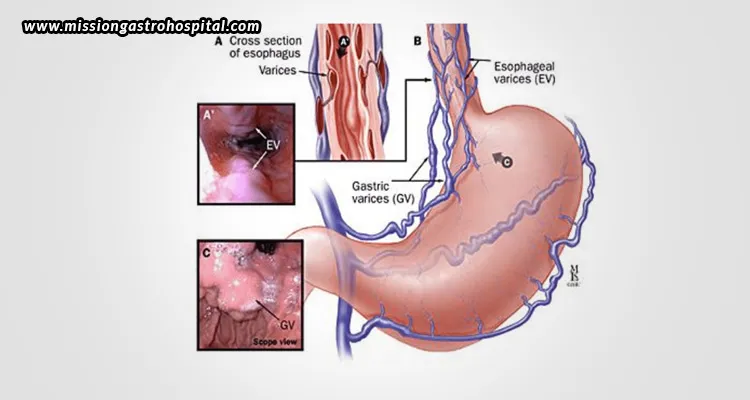
Esophageal varices are a serious medical condition that usually develops as a complication of advanced liver disease. These are enlarged and swollen veins that form in the lining of the esophagus, the tube that connects the throat to the stomach. Though they may remain silent for a long time, esophageal varices can become life-threatening if they rupture and cause severe internal bleeding.
In India, liver diseases such as cirrhosis are on the rise, making awareness and early diagnosis of esophageal varices extremely important. Studies show that nearly 30–40% of patients with liver cirrhosis develop esophageal varices, and without timely treatment, many of these patients are at high risk of bleeding. Early screening and proper medical care can significantly reduce complications and save lives.
At Mission Gastro Hospital, Ahmedabad, patients receive advanced, transparent, and world-class care for liver and gastrointestinal conditions under the expert guidance of Dr. Chirag N Shah, one of the leading gastroenterologists in Gujarat.
What Are Esophageal Varices?
Esophageal varices are abnormal, dilated veins that develop in the esophagus due to increased pressure in the portal vein system. This pressure build-up, known as portal hypertension, usually occurs when the liver is damaged and normal blood flow through it is blocked.
As a result, blood is forced to find alternative pathways through smaller veins, including those in the esophagus. Over time, these veins swell and become fragile, increasing the risk of rupture and bleeding.
What Causes Esophageal Varices?
The most common cause of esophageal varices is portal hypertension due to liver cirrhosis. Cirrhosis leads to scarring of the liver, restricting blood flow and increasing pressure in nearby veins.
Common causes of liver damage include:
- Chronic alcohol consumption
- Hepatitis B and Hepatitis C infections
- Fatty liver disease (NAFLD/NASH)
- Long-standing liver inflammation
Other less common causes may include:
- Blood clots in the portal vein
- Certain parasitic infections
- Rare liver disorders affecting blood circulation
Managing the underlying liver disease is crucial to preventing the development or progression of esophageal varices.
Symptoms of Esophageal Varices
In many cases, esophageal varices do not cause any symptoms until they bleed. This makes regular screening essential for patients with liver disease.
When bleeding occurs, symptoms may include:
- Vomiting blood
- Black or tarry stools
- Sudden weakness or dizziness
- Fainting due to blood loss
- Abdominal swelling and jaundice (signs of advanced liver disease)
Bleeding from esophageal varices is a medical emergency. Immediate medical attention is necessary to prevent life-threatening complications.
How Are Esophageal Varices Diagnosed?
Early diagnosis plays a key role in preventing severe bleeding. Common diagnostic methods include:
Endoscopy
A flexible tube with a camera is passed through the mouth to directly examine the esophagus. This is the most reliable method to detect and assess varices.
Imaging Tests
Ultrasound, CT scans, or MRI scans help evaluate liver condition, blood flow, and portal vein pressure.
Blood Tests
These tests assess liver function and identify signs of portal hypertension or liver damage.
At Mission Gastro Hospital, advanced diagnostic facilities help ensure accurate detection and timely treatment planning.
Treatment Options for Esophageal Varices
Treatment depends on whether the varices are at risk of bleeding or already bleeding.
Medications
- Beta-blockers help reduce portal vein pressure and lower bleeding risk
- Vasoactive drugs are used during active bleeding to control blood flow
Endoscopic Treatments
- Endoscopic Variceal Ligation (EVL): A rubber band is placed around the varices to stop blood flow and prevent bleeding
- Endoscopic Sclerotherapy: A special solution is injected into the varices to shrink them
EVL is commonly preferred due to its safety and effectiveness.
Advanced Procedures
- TIPS (Transjugular Intrahepatic Portosystemic Shunt): A procedure that creates a new blood flow pathway to reduce portal pressure
- Liver Transplant: Recommended in cases of advanced, irreversible liver disease
Management of Active Bleeding
Emergency endoscopy, blood transfusions, and intensive care support may be required to stabilize the patient.
Preventing Esophageal Varices
Prevention focuses on managing liver disease and reducing portal pressure.
Key preventive measures include:
- Avoiding alcohol completely
- Following a liver-friendly diet
- Taking prescribed medications regularly
- Regular endoscopic screening for cirrhosis patients
- Early consultation with a gastroenterologist
With proper monitoring, the risk of bleeding can be significantly reduced.
Expert Care at Mission Gastro Hospital, Ahmedabad
Established in 2019, Mission Gastro Hospital is an advanced gastroenterology centre located in Satellite, Ahmedabad, founded by Dr. Chirag N Shah. The hospital is dedicated to providing transparent, high-quality care for gastrointestinal and liver disorders.
Dr. Chirag N Shah is a highly experienced consultant gastroenterologist and is associated with several leading multispecialty hospitals across Gujarat. He is known for introducing advanced endoscopic procedures such as endoscopic fundoplication and endoscopic sleeve gastroplasty in Gujarat.
Patients from across Ahmedabad, Gujarat, Rajasthan, Madhya Pradesh, and even international locations such as the USA, Africa, and Dubai visit Mission Gastro Hospital for specialized gastroenterology care.
Conclusion
Esophageal varices are a serious complication of liver disease, but with early detection, proper monitoring, and advanced treatment, the risks can be effectively managed. Regular screening and expert care are essential for patients with cirrhosis or portal hypertension.
At Mission Gastro Hospital, patients receive comprehensive evaluation and state-of-the-art treatment under the guidance of Dr. Chirag N Shah, ensuring safety, transparency, and the best possible outcomes. If you or a loved one is dealing with liver disease or symptoms related to esophageal varices, timely consultation with an experienced gastroenterologist can make a life-saving difference.