QUICK INFORMATION

Men & Fatty Liver Disease – A Growing Health Issue

Men & Fatty Liver Disease – A Growing Health Issue

Men-&-Fatty-Liver-Disease-A-Growing-Health-Issue

“Why only men?” is probably the first question that comes to mind when reading the blog title. “Is it only men who drink?” or “Don’t women drink too?” may be your next thoughts. This assumption stems from the long-standing belief that fatty liver and other liver diseases are primarily caused by excessive alcohol consumption. However, modern medicine paints a different picture. Fatty liver is increasingly linked to metabolic dysfunction, a condition affecting men across age groups. While many women remain physically active through household responsibilities, childcare, and daily chores, many men lead sedentary, desk-bound lifestyles with unhealthy dietary habits. Combined with obesity, high blood sugar, high blood pressure, high cholesterol, and chronic stress, these factors are fuelling a silent epidemic of fatty liver disease that often goes unnoticed until significant liver damage has occurred.

How does the liver relate to metabolism?

The liver plays a vital role in metabolism, helping the body regulate blood sugar, process fats, store nutrients, and produce energy. When metabolism becomes impaired, the liver is often one of the first organs to suffer. One of the most common metabolic problems is insulin resistance, a condition in which the body’s cells do not respond properly to insulin. As a result, blood sugar levels rise, and the liver begins producing and storing more fat than it should. Over time, this excess fat accumulates in liver cells, increasing the risk of inflammation and liver damage. Many men may live with insulin resistance for years without realizing it, often before being diagnosed with diabetes or fatty liver disease. The risk is further increased by obesity, especially excess fat around the abdomen, as extra calories are converted into fat and stored in the liver. When obesity is combined with conditions such as diabetes or high cholesterol, the likelihood of developing fatty liver disease becomes significantly higher.

From fatty liver to serious liver disease

Although fatty liver disease often causes few or no noticeable symptoms in its early stages, this does not mean it is harmless. The condition can remain silent for years, making it easy to overlook. However, if left unaddressed, simple fatty liver can gradually progress to more advanced stages, leading to potentially serious complications that may significantly affect overall health.

  • Non-Alcoholic Steatohepatitis (NASH): When liver fat triggers inflammation and liver cell injury, the condition may progress to Non-Alcoholic Steatohepatitis, which is a more aggressive form of fatty liver disease and can lead to chronic inflammation and progressive liver damage.
  • Fibrosis: Persistent inflammation causes scar tissue formation within the liver, a condition known as Liver Fibrosis, which develops gradually and often without symptoms. However, as scar tissue increases, normal liver function becomes compromised.
  • Cirrhosis: Advanced Fibrosis can progress to Cirrhosis, where the healthy liver tissue is replaced by scar tissue, the liver function becomes significantly impaired, and complications of liver failure may develop. Cirrhosis is often irreversible, highlighting the importance of early detection and prevention.

Why men are at a higher risk than women

Although fatty liver disease affects both men and women, research consistently shows that men may have a higher prevalence of metabolic risk factors. This could be due to several factors like obesity, unhealthy dietary habits, and metabolic syndrome.

  • Obesity: Men are more at their desk, and then returning home to rest, drink, and eat. This results in making them obese, with excess fat around the abdomen. This fat is metabolically active and contributes to insulin resistance and chronic inflammation. It releases inflammatory substances that can increase fat deposition within the liver, making fatty liver disease more likely.
  • Unhealthy dietary habits: Most men face work-related pressures that can contribute to unhealthy habits like irregular meal timings, frequent consumption of processed foods, long hours of sitting even after meals, and limited physical activity. Over time, these habits increase the risk of obesity and metabolic dysfunction, both of which are strongly linked to fatty liver disease.
  • Metabolic syndrome: Metabolic syndrome refers to a cluster of conditions that often occur together, including increased waist circumference, high blood sugar, high blood pressure, high triglycerides, and low good cholesterol. With their busy schedules and stressful lives, men are particularly susceptible to developing metabolic syndrome, which significantly increases the likelihood of fatty liver disease.

Warning signs men should not ignore

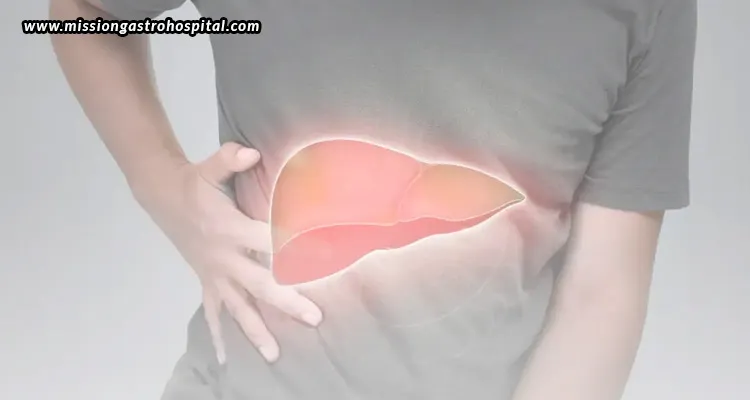
Since fatty liver, the earliest stage of liver disease, is often silent and does not present any noticeable symptoms, it frequently goes undetected. However, that does not mean there is no way to identify it. The challenge is that even when symptoms do appear, they are often vague and nonspecific, making them easy to overlook or dismiss. The possible warning signs to look out for include persistent fatigue, reduced energy levels, unexplained weakness, mild discomfort in the upper right abdomen, and difficulty losing weight. While these symptoms could be due to some other reason, it is always better to keep an eye out for them and approach a doctor to be sure of what is causing these issues. If these symptoms go unnoticed, more advanced liver disease may cause swelling in the abdomen, easy bruising, fluid retention, and jaundice.

The importance of regular health screenings

Because symptoms often appear late, regular health evaluations are crucial for individuals with risk factors. Many men delay medical consultations until symptoms become severe. Unfortunately, fatty liver disease often progresses silently for years. Routine health screenings are especially important for men who have abdominal obesity, diabetes, high blood pressure, or high cholesterol levels. Those who have a family history of genetic liver disorders and those who lead sedentary lifestyles are to certainly go in for regular screenings! Early detection creates opportunities for intervention before irreversible damage occurs. Consulting an experienced liver specialist can make a significant difference in identifying and managing liver conditions at an early stage. If you are looking for a trusted liver specialist in Ahmedabad, Mission Gastro Hospital offers expert evaluation, advanced diagnostic facilities, and personalized treatment for fatty liver disease and other liver disorders. The hospital is dedicated to comprehensive gastroenterology care, focusing on accurate diagnosis, effective management, and long-term liver health through evidence-based medical expertise.

The growing connection between men and fatty liver disease represents an important public health challenge. Driven by obesity, sedentary lifestyles, and metabolic disorders, fatty liver disease is becoming increasingly common among men of all ages. The good news is that early-stage disease is often preventable and, in many cases, reversible. Recognizing risk factors, understanding warning signs, and prioritizing metabolic health can significantly reduce the likelihood of progression to serious liver conditions such as Non-alcoholic steatohepatitis, Liver Fibrosis, and Cirrhosis. Ultimately, protecting liver health is not just about preventing liver disease; it is about supporting overall well-being, longevity, and quality of life. By addressing your metabolic health today, you can safeguard your liver and reduce the risk of serious health complications in the future!

Contact us for further information
Share this article on