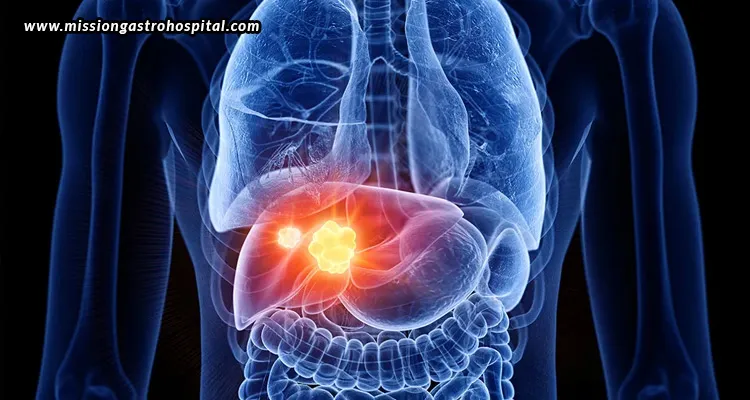
The liver is one of the most resilient organs in the human body. Unlike most organs, it possesses an extraordinary capacity to repair and regenerate itself following injury. This distinctive feature often prompts a crucial question among patients and healthcare professionals: Is it possible to reverse liver disease? The response is both encouraging and complex. In many cases, early-stage liver damage can indeed be reversed if the root cause is recognized and addressed promptly. However, once damage advances to significant scarring, the liver’s capacity for recovery becomes restricted. Recent advancements in medical research have significantly enhanced our understanding of liver diseases, their progression, and how timely intervention can alter outcomes. This blog delves into what scientific research indicates about reversing liver disease, which conditions may improve, and when medical treatment becomes necessary.
Understanding how the liver heals
The liver is responsible for over 500 essential functions, such as detoxifying harmful substances, processing nutrients, producing bile for digestion, and regulating metabolism. Due to its ongoing exposure to toxins, medications, and metabolic byproducts, the liver is susceptible to injury. What sets the liver apart is its remarkable ability to regenerate. When liver cells sustain damage, healthy cells can proliferate and repair the lost tissue. This regenerative capacity is the reason patients can recover even after severe injuries, as long as the damage has not advanced too far. Nevertheless, persistent injury leads to inflammation and the formation of scar tissue. Over time, this scarring can hinder the liver’s structure and functionality. Once scar tissue becomes widespread, recovery becomes increasingly challenging.
Liver diseases
The liver slowly and gradually starts to deteriorate, showing early warning signs which can be treated with simple lifestyle adjustments, but if not done, the damage can further accelerate, making reversal almost impossible.
- Fatty liver: Fatty liver is when fat starts building up in the liver cells due to obesity, insulin resistance, alcohol intake, and metabolic disorders. The liver operates normally, so the condition is often reversible through lifestyle adjustments.
- Inflammation: If the fat accumulating in the liver is not reduced through lifestyle adjustments, it may result in inflammation that can harm the liver cells and activate immune responses. Reversal is achievable with appropriate treatment and lifestyle changes.
- Fibrosis: If the inflammation is not treated, the liver starts to develop scar tissue, which alters the normal structure of the liver and disrupts blood circulation. Some level of reversal may be possible if the underlying cause is effectively addressed.
- Cirrhosis: If the scar tissue becomes extensive, it starts replacing healthy liver cells, which severely impairs liver function. Early cirrhosis may stabilize with treatment, but complete reversal is rarely achievable. Then, only liver transplantation becomes the definitive solution.
Conditions where liver damage can be reversed
There are certain liver conditions that can be improved or reversed with prompt intervention. These include fatty liver, viral hepatitis, alcohol-related liver damage, and drug-induced liver damage.
- Fatty liver: Fatty liver is closely associated with obesity, diabetes, and inactive lifestyles. Hence, losing some body weight and engaging in regular physical activity can lead to significant reduction in liver fat, and can enhance insulin sensitivity and liver function. Certain nutritious diets can also reduce inflammation and metabolic stress. With such simple lifestyle changes, fatty liver may be reversed.
- Viral Hepatitis: Thanks to recent advancements in antiviral treatments, infections like Hepatitis B and C can also be treated. Modern therapies can suppress Hepatitis B and cure Hepatitis C in most cases, preventing additional liver damage and facilitating partial recovery.
- Alcohol-related liver damage: Liver damage resulted from excessive alcohol intake can be reversed by ceasing alcohol intake. Abstaining from alcohol can enable the liver to regenerate healthy tissue and lessen inflammation. Within months of quitting alcohol, liver enzyme levels can improve and structural recovery becomes visible.
- Drug-induced liver damage: Certain medications and herbs can also harm the liver. In such cases, if the usage of such drugs and herbs is discontinued, the liver can start recovering. This condition clearly shows how it is essential to check for any allergies or harm against the drugs and herbs being taken.
Medical treatments that support reversal
While lifestyle changes like stopping the consumption of harmful drugs and alcohol, and indulging in regular activity to reduce weight, are crucial, medical treatments also play an important role in managing liver disease. These include antiviral therapies for viral hepatitis, medications to manage metabolic conditions, drugs targeting inflammation and fibrosis, and imaging techniques for disease progression. Researchers are actively developing new medications aimed specifically at reversing liver fibrosis and preventing progression to cirrhosis. For patients seeking specialized care, consulting an experienced liver centre can make a significant difference. As a dedicated liver hospital in Ahmedabad, Mission Gastro Hospital provides comprehensive liver care with advanced diagnostic facilities and expert medical guidance; it offers evaluation, treatment planning, and long-term monitoring for various liver conditions, ensuring patients receive timely and personalized care for better outcomes.
The importance of early diagnosis
One of the primary challenges in managing liver disease is that many patients remain asymptomatic for extended periods of time. In the initial phases of liver disease, there may be no apparent symptoms, making them difficult to assess. This makes routine health assessments important, which frequently uncover irregularities through liver enzyme tests or imaging techniques prior to the onset of symptoms. However, there are some indicators one can watch out for that may pinpoint to liver issues, such as chronic fatigue, mild discomfort in the abdomen, and unexplained weight fluctuations. Early detection enables healthcare providers to take action before irreversible damage takes place.
Preventing the progression of liver disease
Even if complete reversal of the condition is not possible, one can always slow down or halt the progression of the disease. Patients can protect their liver by refraining from excessive alcohol intake, maintaining a healthy body weight, controlling diabetes and cholesterol levels, and engaging in regular physical activity. Receiving vaccinations against hepatitis when necessary, and participating in routine medical examinations for routine monitoring is essential for early detection of complications, ensuring prompt treatment.
So, can liver disease be reversed? According to science, the answer is sometimes “Yes”. In the early stages of liver disease, especially fatty liver and mild fibrosis, significant improvement is often achievable through lifestyle modifications and proper medical treatment. Even conditions resulting from alcohol consumption, viral infections, or medications can potentially reverse if addressed in a timely manner. However, once extensive scarring like Cirrhosis occurs, the liver’s regenerative capacity becomes restricted. At this point, the focus of treatment shifts to slowing the disease’s progression and preventing complications. The key takeaway is that timing is crucial. Early detection, informed lifestyle decisions, and medical advice can significantly influence the trajectory of liver disease. In many instances, the liver’s extraordinary resilience offers a second chance – one that science is increasingly helping us understand and support.
META DESCRIPTION Can liver disease be reversed? Learn what science says about liver recovery, treatment options, and when to seek timely care from a trusted liver hospital in Ahmedabad for better long-term liver health ou