Flexible sigmoidoscopy is an endoscopic procedure used to examine the lower part of the large intestine, including the rectum and sigmoid colon. It can help gastroenterologists investigate symptoms such as rectal bleeding, changes in bowel habits, persistent diarrhoea, abdominal discomfort, or other suspected abnormalities in the lower gastrointestinal tract. Although flexible sigmoidoscopy examines a smaller portion of the colon than a full colonoscopy, it can provide valuable diagnostic information in carefully selected patients. The procedure may also allow the doctor to take tissue samples or remove certain small polyps during the examination. Understanding why flexible sigmoidoscopy is recommended, how to prepare for it, what happens during the procedure, and what recovery involves can help patients approach the examination with greater confidence.
What is flexible sigmoidoscopy?
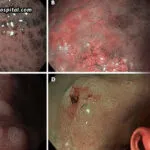
Flexible sigmoidoscopy is an endoscopic examination of the rectum and lower section of the colon. It is performed using a thin, flexible tube called a sigmoidoscope. The instrument has a small camera and light at its tip, allowing the gastroenterologist to view the intestinal lining on a monitor. The examination generally focuses on the rectum and sigmoid colon and may extend into the descending colon when clinically appropriate. Because it does not examine the entire large intestine, flexible sigmoidoscopy is different from a colonoscopy. During the procedure, the gastroenterologist looks for abnormalities such as inflammation, bleeding, ulcers, polyps, abnormal tissue, or other changes in the intestinal lining. If an area appears unusual, a biopsy may be taken for laboratory examination. The procedure therefore serves both diagnostic and, in some cases, therapeutic purposes. Its suitability depends on the patient’s symptoms, medical history, examination findings, and the area of the colon that needs to be evaluated.
When is flexible sigmoidoscopy recommended?
Flexible sigmoidoscopy may be recommended when symptoms or previous test results suggest a problem affecting the rectum or lower colon. The decision is based on the individual’s clinical circumstances rather than on symptoms alone.
- Rectal bleeding
Visible blood in the stool or bleeding from the rectum can have several possible causes, ranging from relatively minor conditions to diseases requiring further treatment. Flexible sigmoidoscopy can help the gastroenterologist examine the lower bowel for potential sources of bleeding. It may identify abnormalities such as haemorrhoids, inflammation, polyps, ulcers, or other changes in the rectal and sigmoid regions. Depending on the patient’s age, symptoms, risk factors, and findings, a more extensive examination may also be necessary.
- Changes in bowel habits
Persistent changes in bowel habits, including unexplained diarrhoea, constipation, increased frequency of bowel movements, or changes in stool characteristics, may warrant evaluation. When the symptoms suggest involvement of the lower colon, flexible sigmoidoscopy can provide direct visual information about the intestinal lining. This can be particularly useful when other investigations have not adequately explained the symptoms.
- Suspected inflammation
Inflammatory conditions affecting the lower gastrointestinal tract may cause symptoms such as diarrhoea, bleeding, urgency, abdominal discomfort, or changes in bowel movements. Flexible sigmoidoscopy allows the doctor to directly assess the lining of the rectum and sigmoid colon for inflammation. Biopsies may also be collected because microscopic examination can provide information that cannot always be obtained through visual inspection alone.
- Monitoring certain gastrointestinal conditions
In selected situations, flexible sigmoidoscopy may be used to monitor a known condition affecting the lower bowel. It can help the gastroenterologist assess whether inflammation or other abnormalities have improved, persisted, or changed over time. The exact role of the procedure depends on the condition being monitored and the patient’s treatment and follow-up plan.
Patients who require further evaluation of lower gastrointestinal symptoms can discuss their diagnostic options with an experienced gastroenterology team. Mission Gastro Hospital provides specialized gastroenterology care, including flexible sigmoidoscopy, to help evaluate selected symptoms and conditions affecting the lower gastrointestinal tract.
What can flexible sigmoidoscopy detect?
One of the main advantages of flexible sigmoidoscopy is that it allows the doctor to directly observe the lining of the lower bowel. Depending on the clinical situation, the examination may help identify:
- Inflammation of the rectum or lower colon
- Polyps
- Ulcers
- Abnormal tissue
- Sources of lower gastrointestinal bleeding
- Certain colorectal abnormalities
- Changes associated with inflammatory bowel disease
- Other structural or mucosal abnormalities
The procedure may also enable biopsy collection. A biopsy involves removing a very small sample of tissue for microscopic analysis. Taking a biopsy does not necessarily mean that cancer is suspected; tissue sampling can be used to investigate inflammation and other conditions as well.
Preparing for a flexible sigmoidoscopy
Preparation is important because stool remaining in the lower bowel can obstruct the doctor’s view of the intestinal lining. The preparation instructions vary depending on the healthcare facility and the patient’s individual circumstances. Patients may be advised to follow specific dietary instructions before the procedure and use an enema or another bowel-cleansing method as directed. It is important to follow the instructions provided by the medical team rather than relying on general preparation advice found online. Patients should also inform their doctor about medications, allergies, existing medical conditions, and previous reactions to sedation or anaesthesia. Particular attention may be required for medicines that affect bleeding or blood clotting, as well as medications for conditions such as diabetes. Patients should not independently stop prescribed medication unless instructed to do so by their healthcare professional.
During a flexible sigmoidoscopy
Before the procedure begins, the healthcare team reviews the patient’s medical information and explains the examination. Depending on the circumstances and the facility’s protocol, medication may be provided to improve comfort. The patient is usually positioned on their side. The lubricated sigmoidoscope is carefully inserted through the anus and guided into the rectum and lower colon. A small amount of air or carbon dioxide may be introduced into the bowel to expand it and improve visibility. This can sometimes cause temporary sensations of pressure, bloating, or the urge to pass gas. The camera transmits images of the intestinal lining to a monitor, allowing the gastroenterologist to examine the area carefully. If abnormalities are identified, the doctor may take a biopsy or perform certain minor interventions when appropriate. The procedure itself is generally relatively short, although the total time spent at the healthcare facility may be longer because of preparation, monitoring, and recovery.
After the procedure
After flexible sigmoidoscopy, patients are generally monitored briefly before being discharged, depending on whether medication or sedation was used. Temporary bloating or gas may occur because air or carbon dioxide can be introduced into the bowel during the examination. These sensations usually settle as the gas passes. If sedation has been administered, patients may need someone to accompany them home and may be advised to avoid driving, operating machinery, or making important decisions for a specified period. The doctor may discuss preliminary findings after the examination. If biopsies have been taken, the final results may take longer because the tissue needs to be examined in a laboratory. Patients should follow the specific post-procedure instructions provided by their healthcare team.
Are there risks associated with flexible sigmoidoscopy?
Flexible sigmoidoscopy is generally considered a safe procedure when performed by trained medical professionals, but like other invasive procedures, it carries potential risks. Minor temporary discomfort, bloating, or light bleeding may occur, particularly when a biopsy or polyp removal has been performed. More serious complications are uncommon but can include significant bleeding or perforation of the bowel. The level of risk varies according to the patient’s health, the findings during the procedure, and any interventions performed. Patients should seek medical attention if they experience concerning symptoms after the procedure, such as severe or worsening abdominal pain, significant bleeding, fever, dizziness, or other symptoms specifically highlighted by their healthcare team.
Flexible sigmoidoscopy can help investigate rectal bleeding, bowel habit changes, inflammation, and other abnormalities while also allowing biopsies or certain minor interventions when required. Although its examination range is more limited than that of a colonoscopy, this does not make it less useful. The appropriate procedure depends on what needs to be evaluated and the patient’s individual clinical circumstances. Understanding the purpose of flexible sigmoidoscopy, following preparation instructions carefully, and discussing concerns with the gastroenterologist can help patients approach the examination with greater clarity and confidence.