When your doctor suggests an endoscopy, it’s completely normal to have doubts, particularly regarding safety. Many patients are scared about the procedure being painful, with worries about the recovery time and procedure, and the risks involved. But, the comforting truth is that endoscopy is a commonly performed, minimally invasive procedure that has a proven safety record. It is intended not just for early diagnosis of a wide range of gastrointestinal issues, but also for effectively treating them with minimal discomfort. By understanding the safety features, possible risks, and the recovery timeline, you can approach the procedure with assurance and clarity. This blog tackles common worries and provides useful insights to help ensure a smooth and stress-free experience.
Is endoscopy a safe procedure?
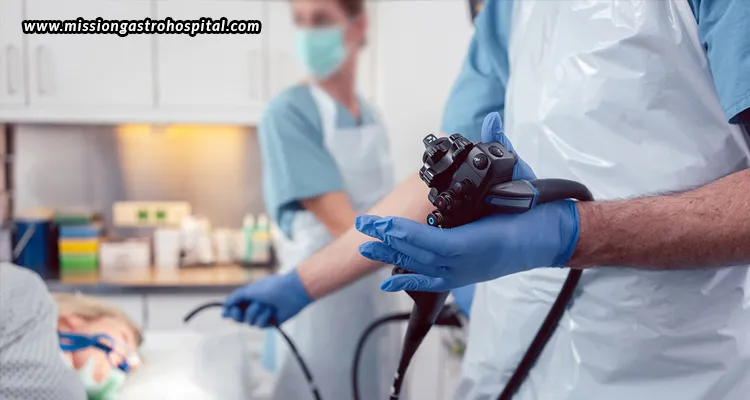
Endoscopy is a procedure that enables doctors to inspect the inner lining of your digestive system with a thin, flexible tube known as an endoscope. Equipped with a light and camera, it offers real-time images of organs like the oesophagus, stomach, and intestines. One of the main reasons endoscopy is deemed safe is due to its minimally invasive approach. Unlike traditional surgical methods that necessitate incisions, endoscopy utilizes natural openings in the body, significantly lowering the chances of complications, infections, and extended recovery periods. Moreover, it is conducted by skilled specialists using state-of-the-art equipment in a controlled medical environment. Over the years, advancements in technology, such as high-definition imaging and enhanced sedation methods, have further improved both the safety and precision of endoscopic procedures.
The benefits of endoscopy
In addition to being a safe procedure, endoscopy also brings about a number of benefits that must be understood to clear all the doubts and concerns.
- Endoscopy enables early and accurate diagnosis
Endoscopy enables doctors to detect conditions like ulcers, inflammation, infections, and even cancers in their very first stages. Such early detection helps with treatment at the earliest, significantly improving the outcomes and reducing the likelihood of complications in further stages.
- Endoscopy has diagnostic and therapeutic capabilities
Endoscopy is not just a diagnostic tool; it can also be used for treatment. While learning about the infections and inflammations in the early stages, doctors can also remove polyps, control bleeding, take biopsies, or widen narrowed areas with the help of endoscopy itself, without requiring a different treatment procedure.
- Endoscopy has quick procedure and recovery time
Most endoscopies are completed within just 15 to 30 minutes, making them efficient and convenient for both patients and healthcare providers. Moreover, since the procedure doesn’t involve external cuts, patients experience less pain, minimal scarring, and quicker recovery compared to traditional surgery. In fact, it doesn’t even require a hospital stay; patients can return home on the day of the endoscopy itself!
Are there any risks involved?
Although endoscopy is generally a very safe procedure, but just like any other medical procedure, it also carries some risks. However, serious complications are rare, especially when performed by experienced professionals.
- Mild and common side effects
The most common side effects are generally minor, and can be effectively treated, such as sore throat, bloating, gas, mild cramping, or drowsiness. All of this is absolutely normal, and can resolve within just a few hours.
- Reaction to sedation
Sedation is used to keep the patient relaxed and comfortable. However, if allergic or anxious, some patients may experience nausea or temporary breathing changes, along with very rare allergic reactions. However, the medical staff can look into the condition and manage the issues immediately.
- Bleeding
There is a very minor risk of bleeding, particularly if a biopsy is taken or a polyp is removed. In most cases, this bleeding is minor and stops on its own or can be controlled during the procedure. Also, a tear in the lining of the digestive tract is an extremely rare complication, but may require additional treatment or surgery. However, the likelihood of this occurring is very low.
- Infection
Infections are uncommon due to strict sterilization protocols. Modern endoscopy units follow rigorous hygiene standards to ensure patient safety. However, in rare cases, a minor infection can still occur, especially in patients with weakened immunity or underlying health conditions.
Factors that enhance safety
Several factors further contribute to making endoscopy a low-risk and highly reliable procedure. When the procedure is combined with the expertise of skilled gastroenterologists, it ensures that both routine and complex cases are handled with precision and care. For instance, at Mission Gastro Hospital, patients seeking the best endoscopy near me receive treatment from experienced specialists who prioritize safety, accuracy, and patient comfort, ensuring a smooth and reliable diagnostic experience. The use of advanced endoscopic equipment provides high-resolution imaging and better control, significantly reducing the chances of complications. In addition, a thorough pre-procedure evaluation helps doctors assess medical history, medications, and existing conditions to minimize risks. During the procedure, continuous monitoring of vital signs such as heart rate, oxygen levels, and blood pressure ensures that any changes are promptly addressed, making the entire process safe and well-managed.
Tips for a smooth and stress-free experience
For a smooth and stress-free endoscopy experience, a few simple steps can make a significant difference. Staying informed about the procedure helps reduce anxiety and builds confidence, as you know what to expect at every stage. Carefully following your doctor’s instructions, especially regarding diet and medications, ensures both safety and accurate results. Open communication is equally important; don’t hesitate to share any concerns, symptoms, or fears with your doctor, as this helps them provide better care and reassurance. Lastly, plan your day in advance by allowing enough time for rest and recovery after the procedure, so you can return to your routine feeling comfortable and well-prepared. By taking these simple steps, you can approach your endoscopy with confidence, ensuring a safe, smooth, and worry-free experience from start to finish.
Endoscopy is a reliable, effective, and essential tool in contemporary medicine to diagnose and even treat certain issues in their very early stages. Its capacity to diagnose and manage gastrointestinal issues with minimal discomfort makes it a favoured option for both patients and healthcare professionals. Although feeling anxious is common, understanding the facts regarding its safety, possible risks, and recovery process can offer peace of mind. By selecting a qualified expert, adhering to preparation instructions, and being cautious during recovery, you can guarantee a seamless experience from start to end. Ultimately, endoscopy is not merely about identifying health issues; it’s about taking a proactive approach to enhance digestive health and overall wellness.